Language
 Mastech EN
Mastech EN
Mastech EN
Understanding Grounding in Your Home: What It Is and Why It Matters
Electricity makes modern homes comfortable and functional, but it also carries risks if not properly controlled. One of the most important yet misunderstood safety features in your home’s electrical system is grounding.
Grounding protects people, appliances, and your home from electrical faults. In this article, we’ll explain what grounding is, how it works, why it matters, and how to spot grounding problems early.
What Is Electrical Grounding?
Electrical grounding provides a safe path for excess electricity to flow into the earth instead of through people or appliances.
In a grounded system:
This is why most modern outlets have three prongs: hot, neutral, and ground.
Why Grounding Is So Important
A properly grounded system plays a key role in home safety:
1. Protects Against Electric Shock
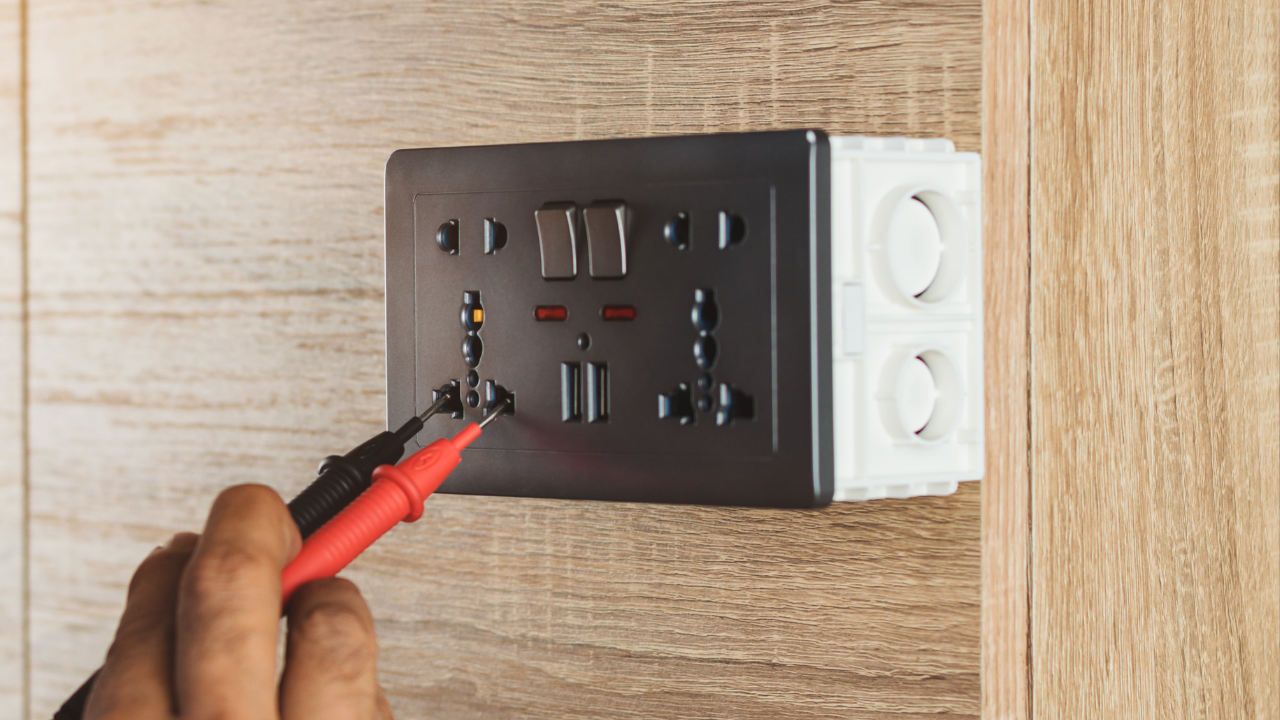
If a live wire touches a metal surface, grounding redirects the electricity away from you and into the earth.
2. Reduces Fire Risk
Grounding prevents dangerous heat buildup caused by stray or fault currents.
3. Protects Appliances & Electronics
Sensitive devices like TVs, computers, and smart home systems are vulnerable to voltage spikes. Grounding helps absorb and dissipate these surges.
4. Enables Safety Devices to Work Properly
Circuit breakers and GFCI outlets rely on proper grounding to detect faults and shut off power when needed.
How Grounding Works in a Typical Home
A standard residential grounding system includes:
When a fault occurs, electricity flows through this system into the ground instead of remaining trapped in wiring or appliances.
Signs Your Home May Have Grounding Issues
Grounding problems often go unnoticed but there are warning signs you shouldn’t ignore:
If your home was built before the 1970s, it may not meet modern grounding standards.
Grounding vs. GFCI: What’s the Difference?
Many homeowners confuse grounding with GFCI protection but they’re not the same.
|
Feature |
Grounding |
GFCI |
|
Prevents shock |
✅ |
✅ |
|
Requires ground wire |
✅ |
❌ |
|
Detects current imbalance |
❌ |
✅ |
|
Common in older homes |
❌ |
✅ |
GFCI outlets improve safety but do not replace proper grounding.
Can You Check Grounding at Home?
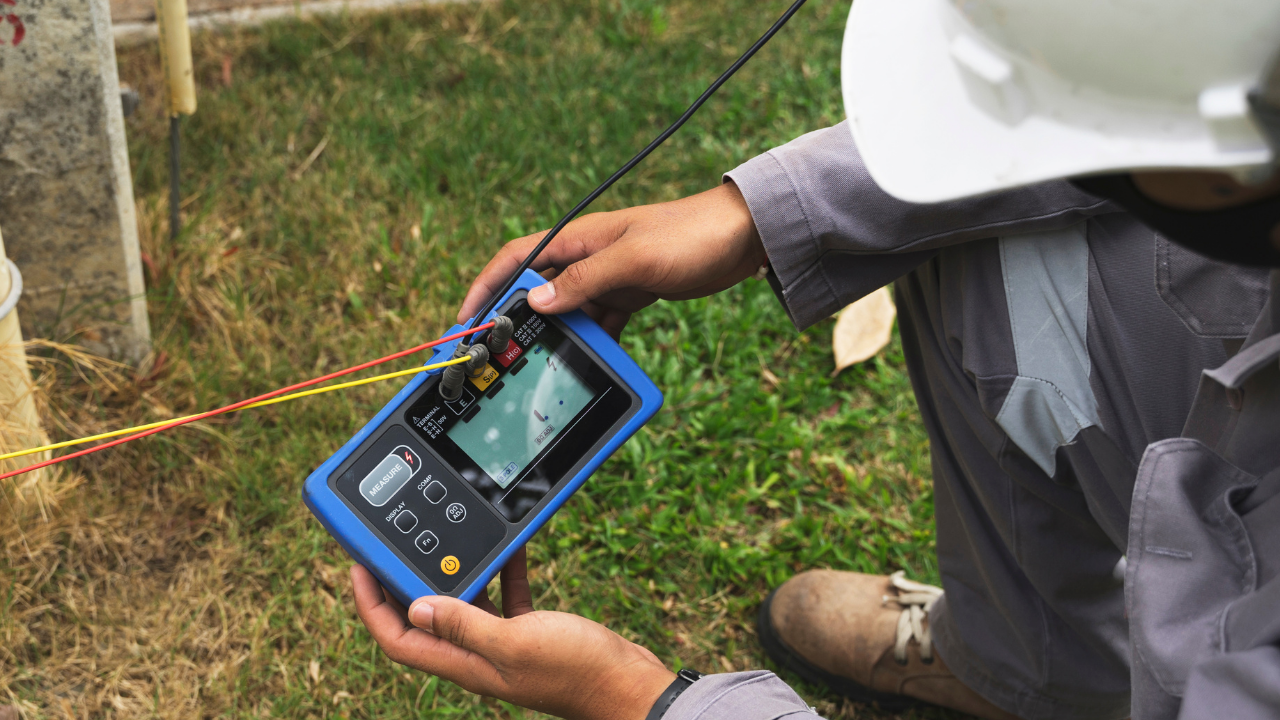
Homeowners can perform basic checks using:
⚠️ Important: These checks can indicate potential problems but cannot replace a professional electrical inspection.
When to Call an Electrician
You should consult a licensed electrician if:
Grounding upgrades are one of the best long-term safety investments you can make.
Final Thoughts
Grounding is a silent protector rarely noticed when working properly, but critically important when something goes wrong. Understanding how grounding works empowers homeowners to prevent shocks, reduce fire risk, and protect valuable electronics.
If you’re unsure about your home’s grounding, don’t ignore it. Electrical safety starts with a solid connection to the ground.
2026-01-12
 Mastech CN
 Mastech TW