Language
 Mastech EN
Mastech EN
Mastech EN
How Much Light Does Your Plant Need? A Simple Guide Using a Lux Meter
If your plants aren’t thriving, the problem might not be water or soil, it could be light.
Light is one of the most important factors for plant health, yet it’s also one of the hardest to judge with the naked eye. What feels “bright” to us might still be too dim for many plants.
That’s where a lux meter comes in. It allows you to measure light accurately and give your plants exactly what they need to grow.
Why Light Matters for Plants
Plants use light for photosynthesis, the process that turns light into energy. Without enough light, plants can:
Too much light, on the other hand, can cause:
Finding the right balance is key.
What Is a Lux Meter?
A lux meter measures the intensity of light falling on a surface. The reading is shown in lux, which tells you how bright a specific spot is.
Instead of guessing whether your plant is getting “enough light,” you can now measure it precisely.
Understanding Light Levels (Lux Guide)
Here’s a simple reference to understand what your readings mean:
Light Requirements by Plant Type
Different plants have different needs:
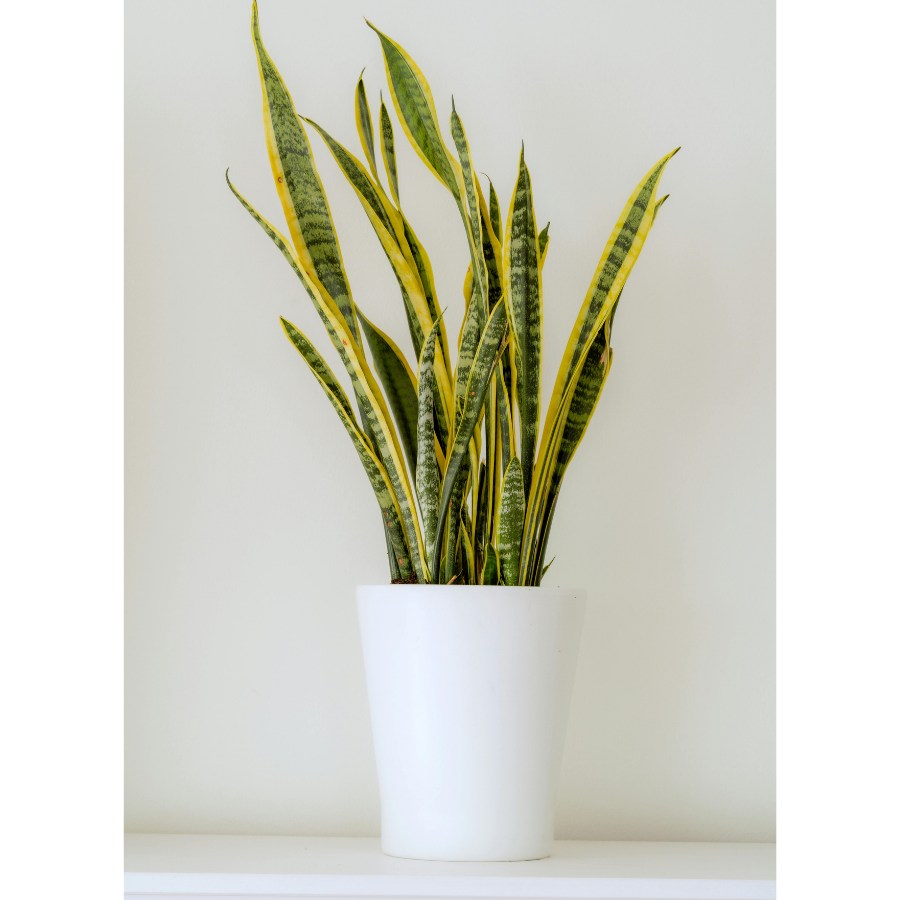
Low-Light Plants
Recommended: 1,000 – 5,000 lux
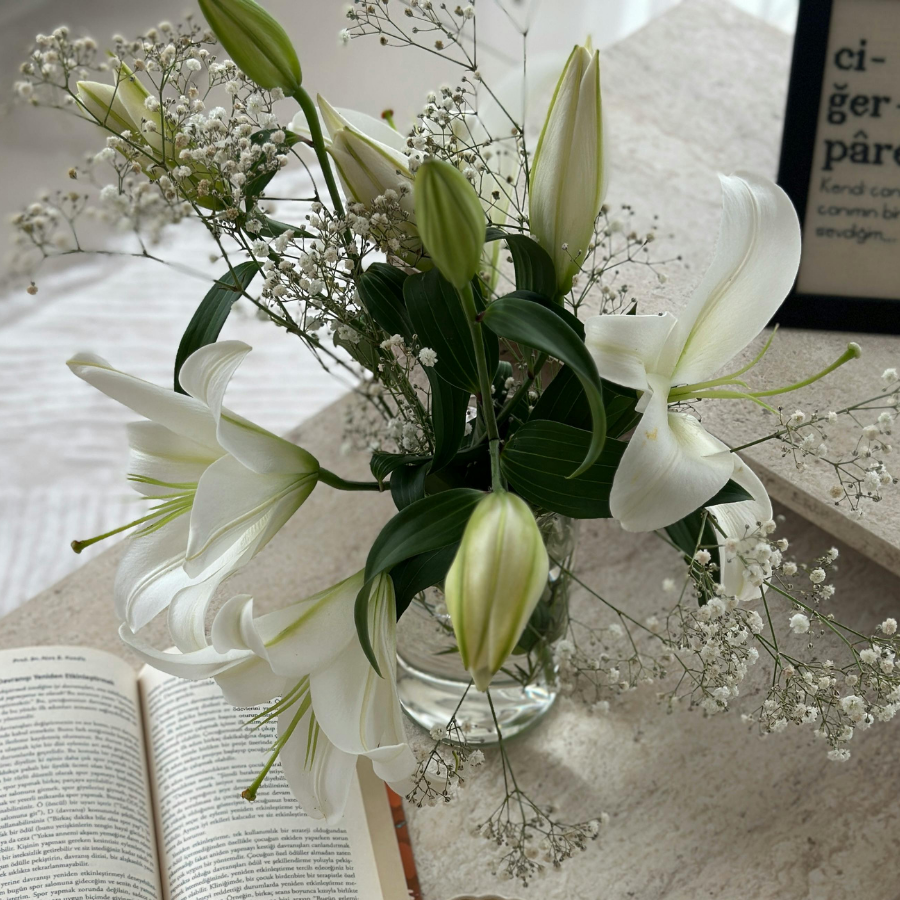
Medium-Light Plants
Recommended: 5,000 – 10,000 lux
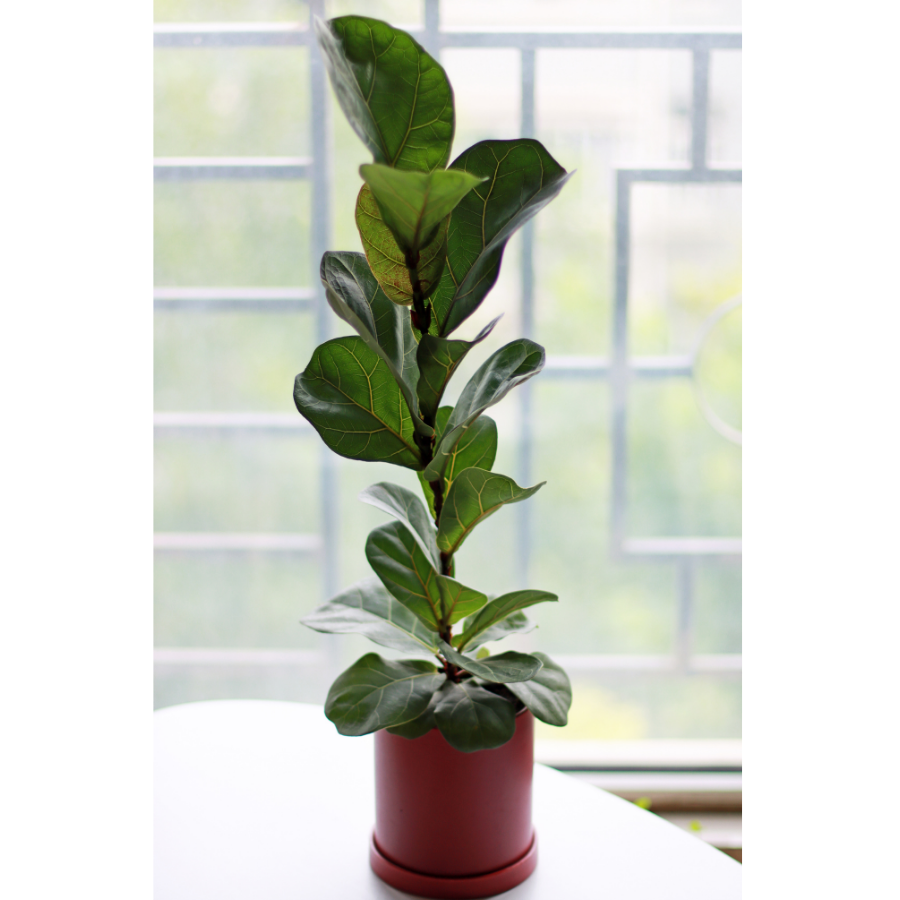
Bright-Light Plants
Recommended: 10,000 – 20,000+ lux
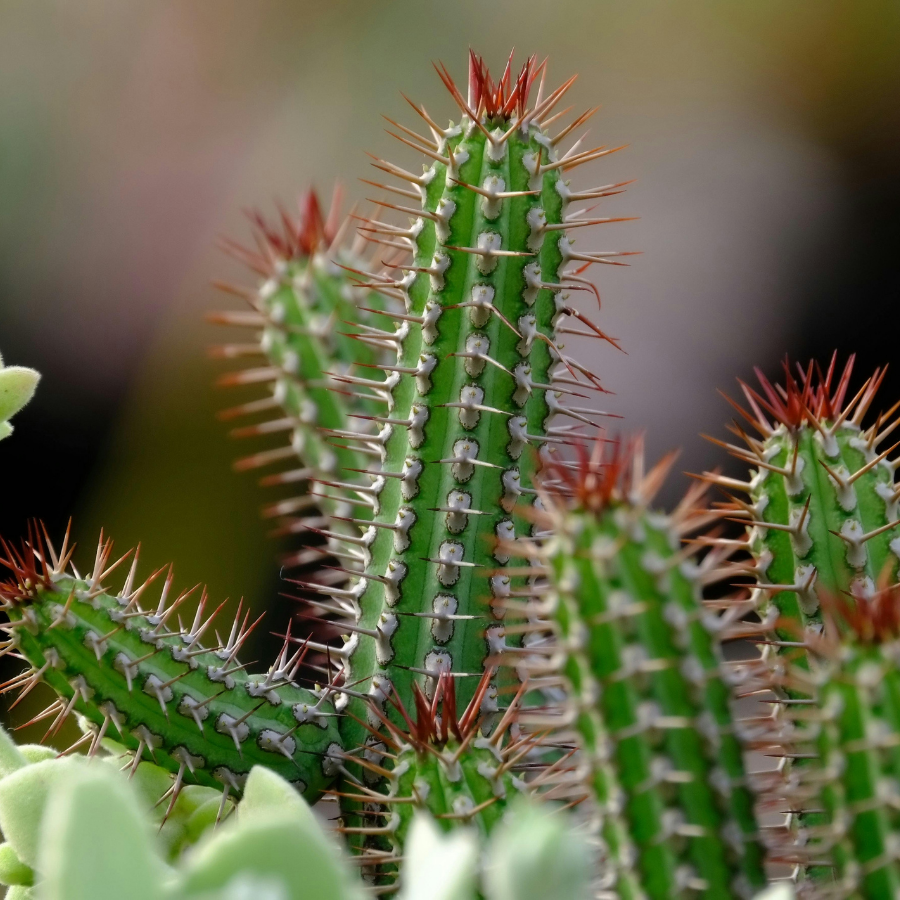
Direct Sunlight Plants
Recommended: 20,000 – 50,000+ lux
How to Measure Light for Your Plants (Step-by-Step)
Using a lux meter is simple:
1. Turn on your lux meter
Make sure it’s set to measure light in lux.
2. Place the sensor at plant level
Position the sensor where the leaves are, not where you’re standing.
3. Face the light source
Point the sensor toward the main light source (window or lamp).
4. Take multiple readings
Measure at different times of day:
5. Record the average
This gives you a more accurate idea of daily light exposure.
Common Mistakes to Avoid
Tips to Improve Your Plant Lighting
If your readings are too low:
If your readings are too high:
Why Measuring Light Makes a Difference
A lux meter removes the guesswork from plant care. Instead of trial and error, you can:
Final Thoughts
Healthy plants don’t happen by accident, they’re the result of the right conditions. By understanding and measuring light, you give your plants the best chance to thrive. Sometimes, all it takes is moving a plant a few steps closer to the window, but with the right data, you’ll know exactly where it belongs.
2026-03-18
 Mastech CN
 Mastech TW