Language
 Mastech EN
Mastech EN
Mastech EN
Why You Should Test Your Home Outlets Regularly: Safety Tips for Every Household
Most homeowners assume their electrical outlets will work safely forever but like any part of your home, outlets can wear out, loosen, or develop hidden problems over time. Regularly checking your outlets is a simple step that can help prevent shocks, appliance damage, and even electrical fires.
Testing your outlets doesn’t mean you need to be an electrician. It simply means understanding what to look for and knowing when something doesn’t feel right.
Why Outlet Testing Matters
Your outlets are the final connection point between your home wiring and your devices. If something goes wrong here, it can affect everything plugged into them.
Regular outlet checks help you:
Even small issues can worsen over time if ignored.
Common Outlet Problems Found in Homes
1. Loose Outlets
If plugs slide out easily or feel unstable, internal contacts may be worn.
Risks include:
2. Missing or Faulty Ground
Grounding protects you from electrical shock by safely redirecting fault current.
Without proper grounding:
3. Overheated Outlets
Outlets should never feel warm or hot.
Warning signs:
4. Incorrect Voltage
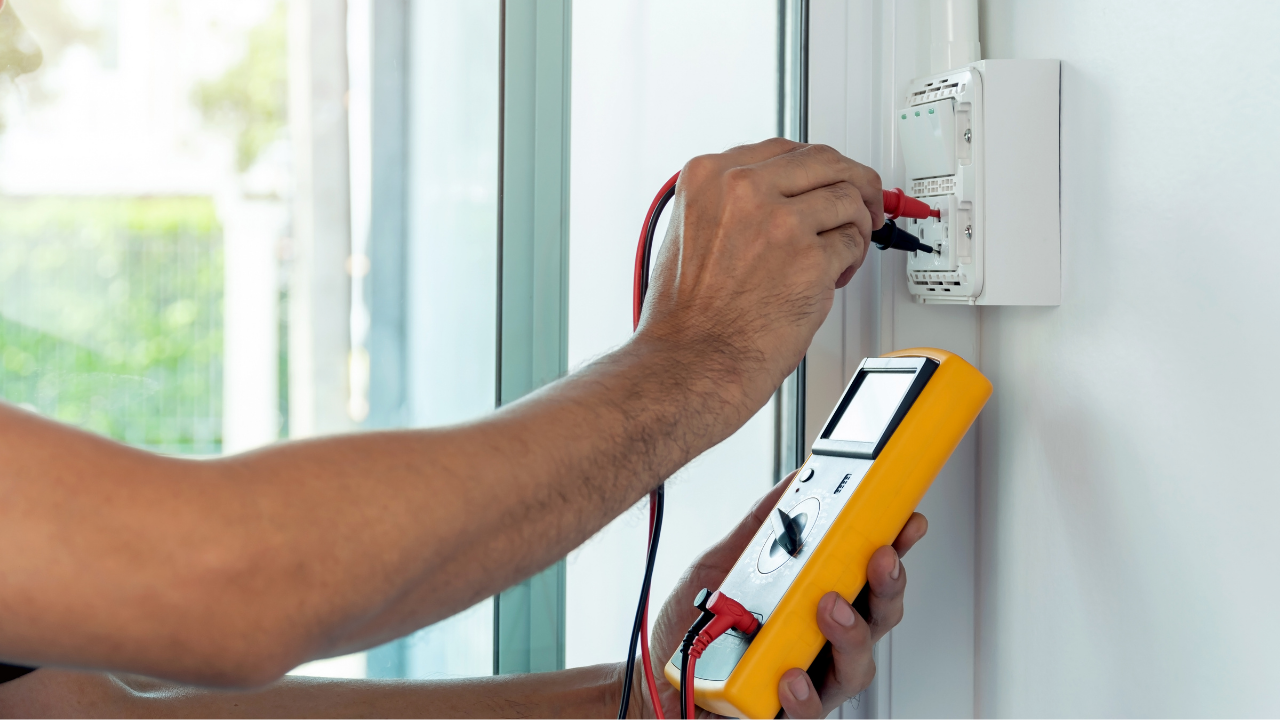
Voltage outside the normal range can damage electronics or cause appliances to malfunction.
Typical ranges:
5. Aging or Worn Outlets
Outlets can degrade after years of use, especially in high-use areas like kitchens.
How Often Should You Test Your Outlets?
A simple schedule:
Simple Signs You Should Check Outlets Immediately
Test or inspect outlets if you notice:
Basic Safety Checks Homeowners Can Do
You can safely:
Never:
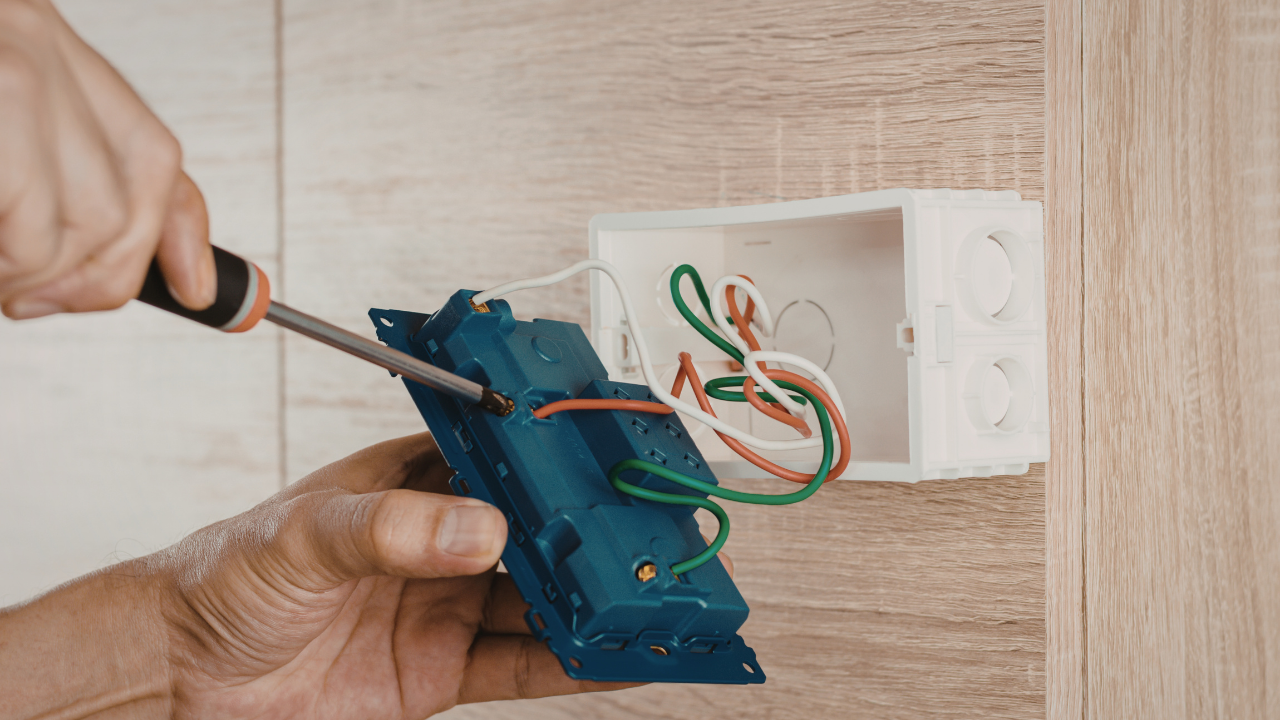
When to Call an Electrician
Call a professional if:
How Regular Testing Protects Your Home
Routine outlet checks help:
Small preventative checks today can prevent expensive repairs later.
Final Thoughts
Your home’s electrical outlets work quietly every day, but they’re also one of the most important safety points in your electrical system. Taking time to check them regularly is a simple way to protect your home, your devices, and your family. Electrical safety isn’t about fear, it’s about awareness and prevention.
2026-02-01
 Mastech CN
 Mastech TW