Language
 Mastech EN
Mastech EN
Mastech EN
Why Outlets Get Warm And When You Should Be Worried
If you’ve ever touched a wall outlet and noticed it felt warm, you’re not alone. While a small amount of warmth can be normal in certain situations, warm outlets can also be an early warning sign of electrical problems that should not be ignored. Knowing the difference can help prevent damage, shocks, or even electrical fires.
Is It Normal for an Outlet to Feel Warm?
In some cases, slight warmth is normal, especially when:
l High power devices (space heaters, kettles, air fryers) are in use
l Chargers or adapters are plugged in for long periods
l Multiple devices draw power from the same outlet
However, outlets should never feel hot, emit odors, or show visible damage.
Common Reasons Outlets Get Warm
1. High Electrical Load
When an appliance draws a lot of current, the outlet naturally warms up. Problems occur when:
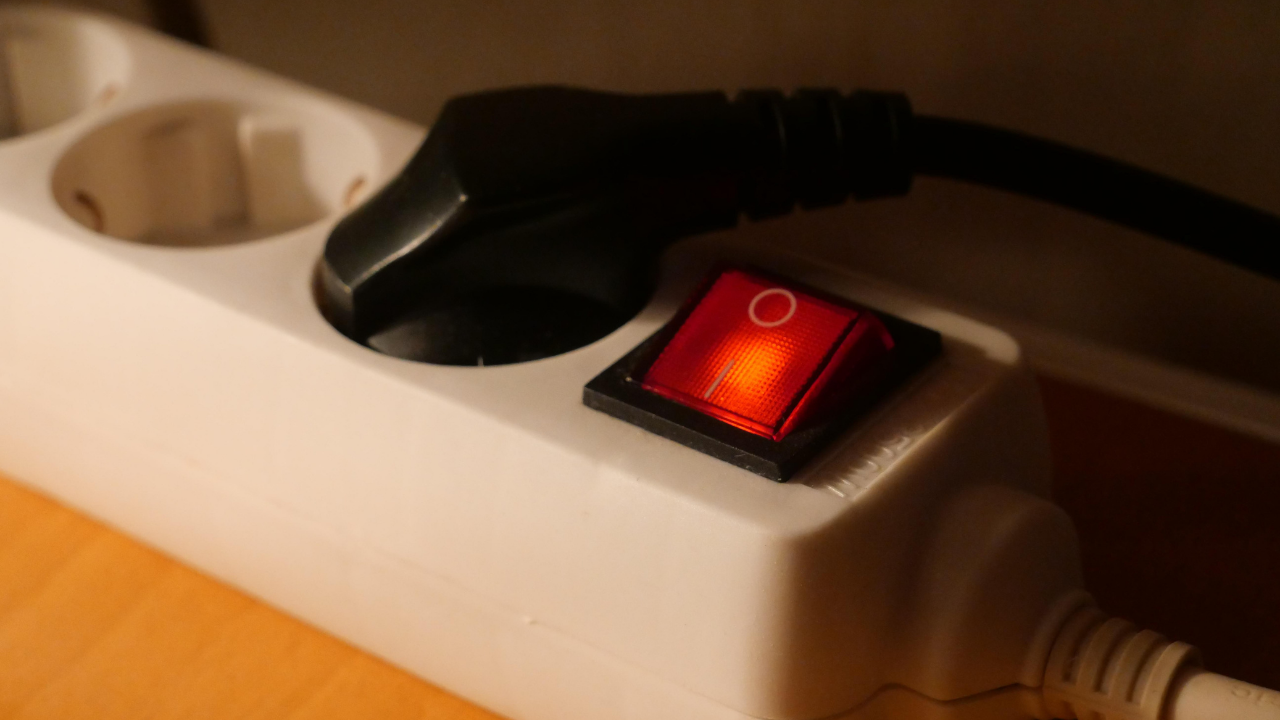
l The outlet is overloaded
l Extension cords or power strips are used improperly
l Devices exceed the outlet’s rated capacity
2. Loose Wiring Connections
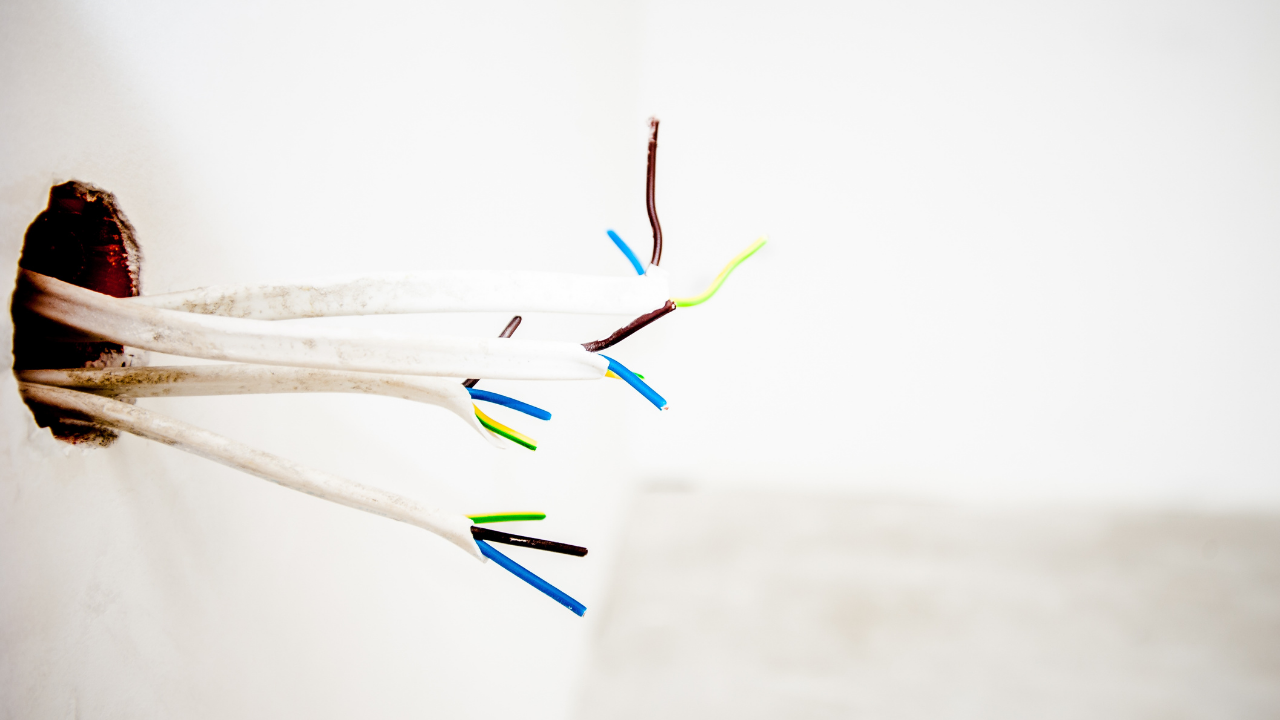
Loose connections behind the outlet create resistance, which produces heat. This can lead to:
l Intermittent power
l Arcing or sparking
l Gradual insulation damage
Loose wiring is one of the most common causes of outlet overheating.
3. Worn or Damaged Outlets
Over time, outlets wear out. Signs include:
l Plugs that feel loose or fall out
l Cracked or discolored faceplates
l Reduced contact pressure inside the outlet
Worn outlets increase resistance and heat buildup.
4. Poor Quality Plugs or Adapters
Low-quality chargers, adapters, or extension cords can overheat, transferring heat to the outlet. This is especially common with:
l Cheap phone chargers
l Universal travel adapters
l Aging power bricks
5. Aluminum or Old Wiring
Homes with older wiring systems may experience higher resistance and heat, particularly if connections weren’t properly upgraded or maintained.
When Warm Outlets Become a Safety Concern
⚠️ Warning Signs You Should Not Ignore
l The outlet feels hot, not just warm
l Burning smells, buzzing, or crackling sounds
l Discoloration or melting around the outlet
l Frequent breaker trips related to that outlet
If you notice any of these signs, stop using the outlet immediately.
Simple Checks Homeowners Can Do
Without opening walls or panels, homeowners can:
l Unplug devices and see if the outlet cools down
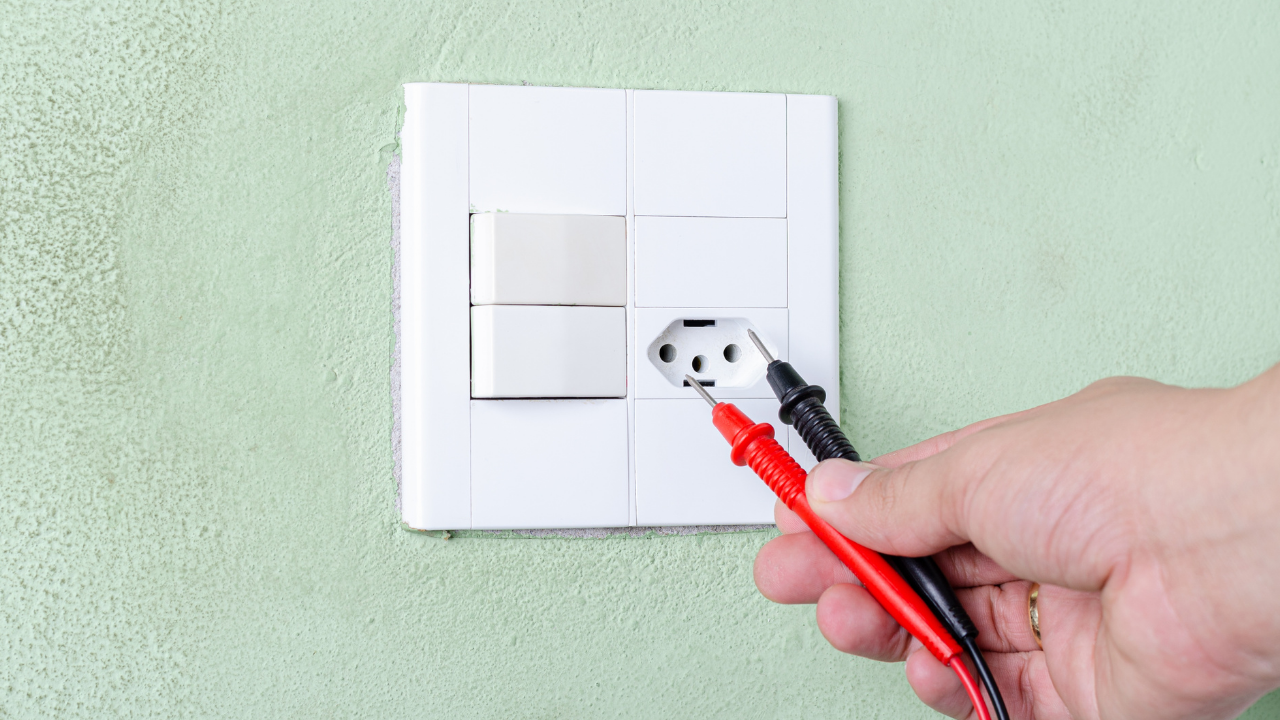
l Test voltage stability using a multimeter
l Check if warmth increases under load
l Compare temperature with nearby outlets
Always avoid touching exposed wiring or opening outlet boxes unless qualified.
How to Prevent Outlet Overheating
l Avoid overloading outlets and power strips
l Replace worn or loose outlets
l Use certified chargers and adapters
l Upgrade old wiring when necessary
l Have periodic electrical inspections
When to Call an Electrician
Call a licensed electrician if:
l An outlet becomes hot repeatedly
l There are visible signs of damage
l Multiple outlets show similar symptoms
l The home has old or ungrounded wiring
Professional inspection can identify hidden problems before they become dangerous.
Final Thoughts
Warm outlets are often your home’s way of signaling stress in the electrical system. Paying attention to early warning signs and acting quickly can protect your devices, your property, and your safety. When in doubt, it’s always better to check than to ignore the problem.
2026-01-06
 Mastech CN
 Mastech TW