Language
 Mastech EN
Mastech EN
Mastech EN
Why Every Home Needs a Gas Leak Detector: Understanding the Risks
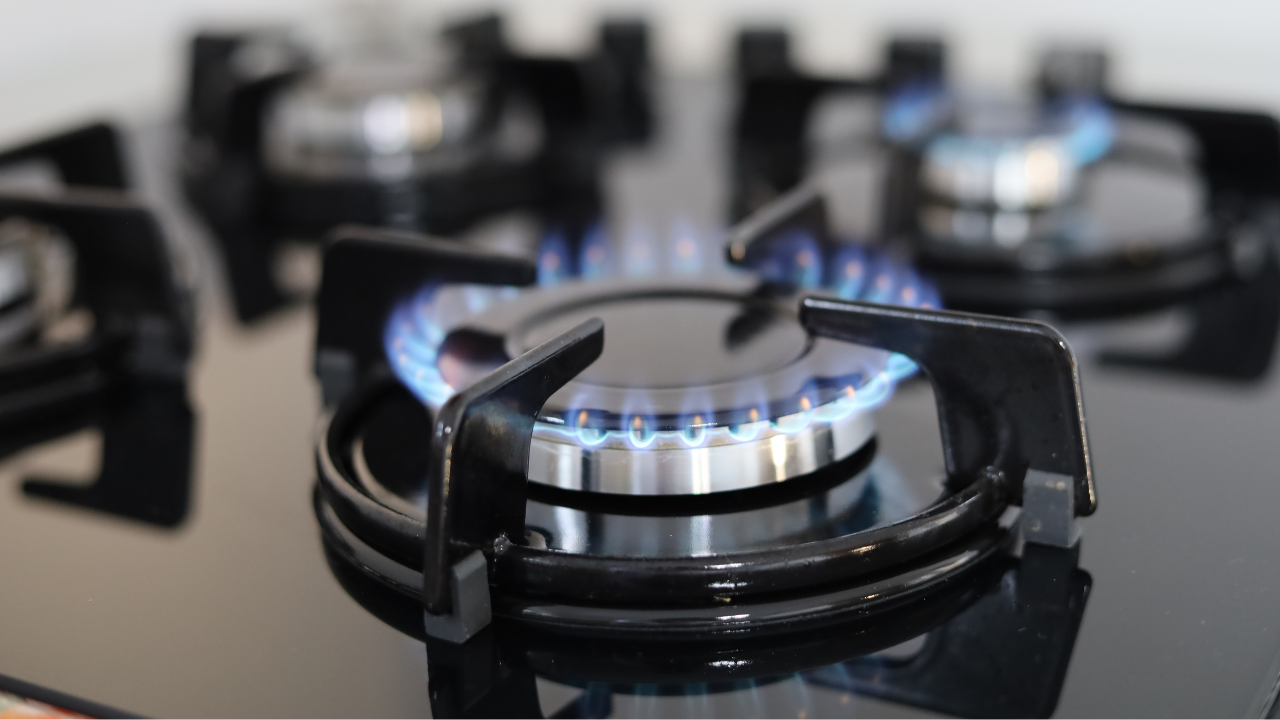
Gas is widely used in homes for cooking, heating, and hot water. While it’s efficient and convenient, gas can also be dangerous when leaks go undetected. Many gas leaks are invisible and odorless, or their smell may be too subtle to notice until it’s too late.
A gas leak detector provides an early warning, helping protect your home, your family, and your property.
Why Gas Leaks Are So Dangerous
Gas leaks create multiple risks at the same time:
Fire and Explosion Risk
Natural gas and LPG are highly flammable. Even a small spark from a switch, appliance, or static electricity can ignite leaked gas.
Health Risks
Exposure to gas can cause:
In severe cases, gas exposure can be life-threatening.
Silent and Invisible Threat
Many gases:
This is why relying only on smell is not enough for safety.
Common Causes of Gas Leaks at Home
Gas leaks often happen because of:
Even new homes are not immune if installation is poor.
Where Gas Leaks Are Most Likely to Happen
Check areas around:
Warning Signs of a Possible Gas Leak
Watch for:
If you notice multiple signs, act immediately.
What a Gas Leak Detector Does
A gas leak detector monitors air for dangerous gas concentrations and alerts you early.
Benefits include:
Why Gas Detectors Are Becoming Essential Home Safety Devices
Modern homes are:
These factors can allow gas to accumulate faster indoors.
Simple Gas Safety Tips for Every Home
Always:
Never:
What To Do If You Suspect a Gas Leak
If you think there is a leak:
Gas Safety Is About Prevention
Gas accidents are rare but when they happen, they can be severe. The good news is that gas-related incidents are often preventable with proper monitoring and maintenance.
Installing a gas leak detector is one of the simplest ways to add an extra layer of protection to your home.
Final Thoughts
You can’t see most gas leaks, and you may not always smell them but a gas leak detector is always watching. With modern homes becoming more sealed and energy efficient, monitoring indoor air safety is more important than ever.
Protecting your home starts with awareness and the right safety tools.

2026-02-05
 Mastech CN
 Mastech TW