Language
 Mastech EN
Mastech EN
Mastech EN
Why Your Circuit Breaker Keeps Tripping: The 7 Most Likely Causes
If you’ve ever had a circuit breaker trip at home, you know how frustrating it can be. But a tripping breaker isn’t just an annoyance, it’s a safety feature designed to protect your home from electrical hazards like overloads, short circuits, and electrical fires. Understanding why your breaker keeps tripping can help you identify issues early and prevent costly damage.
Here are the 7 most common causes of a tripping circuit breaker.
1. Overloaded Circuits
One of the most common reasons a breaker trips is an overloaded circuit.
Cause: Too many devices or high-power appliances running on the same circuit.
Signs: Breaker trips during simultaneous use of appliances like microwaves, air conditioners, or heaters.
Tip: Spread appliances across multiple circuits or avoid running high-power devices at the same time.
2. Short Circuits
A short circuit occurs when a hot wire touches a neutral wire, creating excessive current flow.
Cause: Damaged wiring, loose connections, or faulty devices.
Signs: Sparks, buzzing, burning smell, or sudden breaker trips when turning on an appliance.
Tip: Have a licensed electrician inspect immediately, as short circuits are a major fire hazard.
3. Ground Faults
A ground fault happens when a hot wire touches a grounded surface like a metal outlet box or appliance casing.
Cause: Water exposure, damaged insulation, or faulty appliances.
Signs: GFCI outlets trip repeatedly, especially near sinks, bathrooms, or kitchens.
Tip: Install GFCI outlets in wet areas and check appliances for damage.
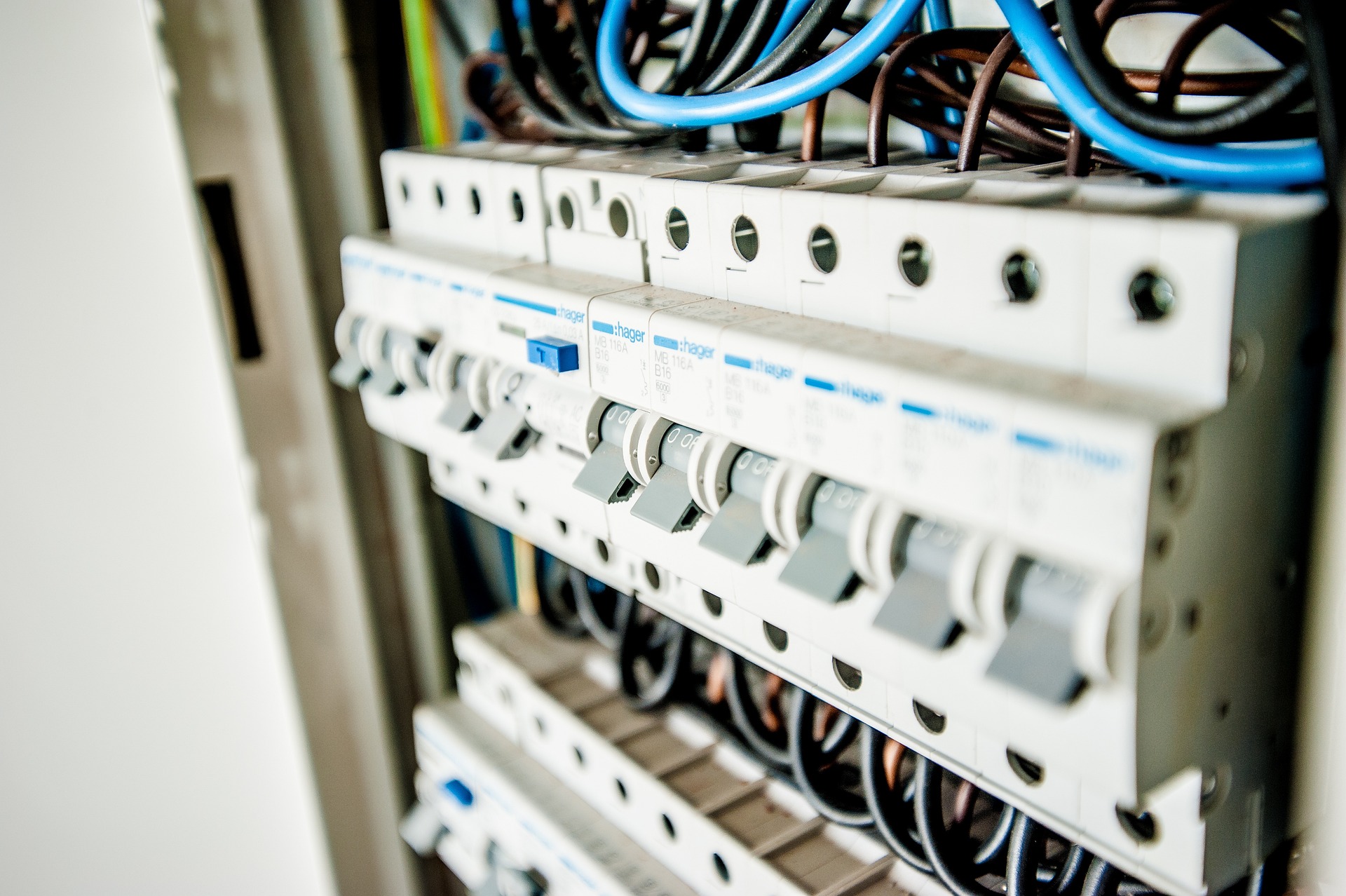
4. Aging or Faulty Breakers
Breakers themselves can wear out over time or fail due to internal defects.
Cause: Old age, manufacturing defects, or repeated tripping over time.
Signs: Breaker trips frequently even with low loads.
Tip: Replace breakers older than 20 years or those that trip unnecessarily.
5. Faulty Appliances
Sometimes the problem isn’t the circuit but the device plugged into it.
Cause: Appliances with damaged cords, internal faults, or short circuits.
Signs: Breaker trips only when a specific appliance is used.
Tip: Unplug appliances one by one to identify the culprit, and repair or replace it.
6. Wiring Problems
Faulty wiring is a serious issue that can cause frequent trips.
Cause: Loose connections, frayed wires, or DIY wiring errors.
Signs: Flickering lights, warm outlets, burning smells, or tripping breakers.
Tip: Have a licensed electrician inspect your home wiring if you notice these signs.
7. Arc Faults
An arc fault occurs when electricity jumps across a gap in the wiring, creating heat and potential fire hazards.
Cause: Damaged wires, nail punctures, or loose connections in walls.
Signs: Breaker trips unexpectedly; visible arcing if inspected.
Tip: Consider installing AFCI (Arc Fault Circuit Interrupter) breakers in bedrooms and living areas.
How to Stay Safe
Circuit breakers are your first line of defense against electrical hazards. If you experience frequent trips:
l Never ignore the problem. Repeated trips indicate a real risk.
l Spread electrical load across multiple circuits.
l Inspect or replace old appliances, cords, and wiring.
l Consult a licensed electrician for short circuits, ground faults, or wiring issues.
By understanding the 7 most likely causes, you can troubleshoot safely, prevent damage, and keep your home’s electrical system operating reliably.
2025-12-16
 Mastech CN
 Mastech TW