Language
 Mastech EN
Mastech EN
Mastech EN
What Is RPM? A Simple Guide for Beginners
If you’ve ever looked at a car dashboard, used power tools, or worked with machinery, you’ve probably seen the term RPM.
But what does it actually mean, and why is it important?
In this guide, we’ll break down RPM in simple terms, explain where it’s used, and show you how to measure it accurately using a tachometer like the Mastech MS6209C.
What Does RPM Mean?
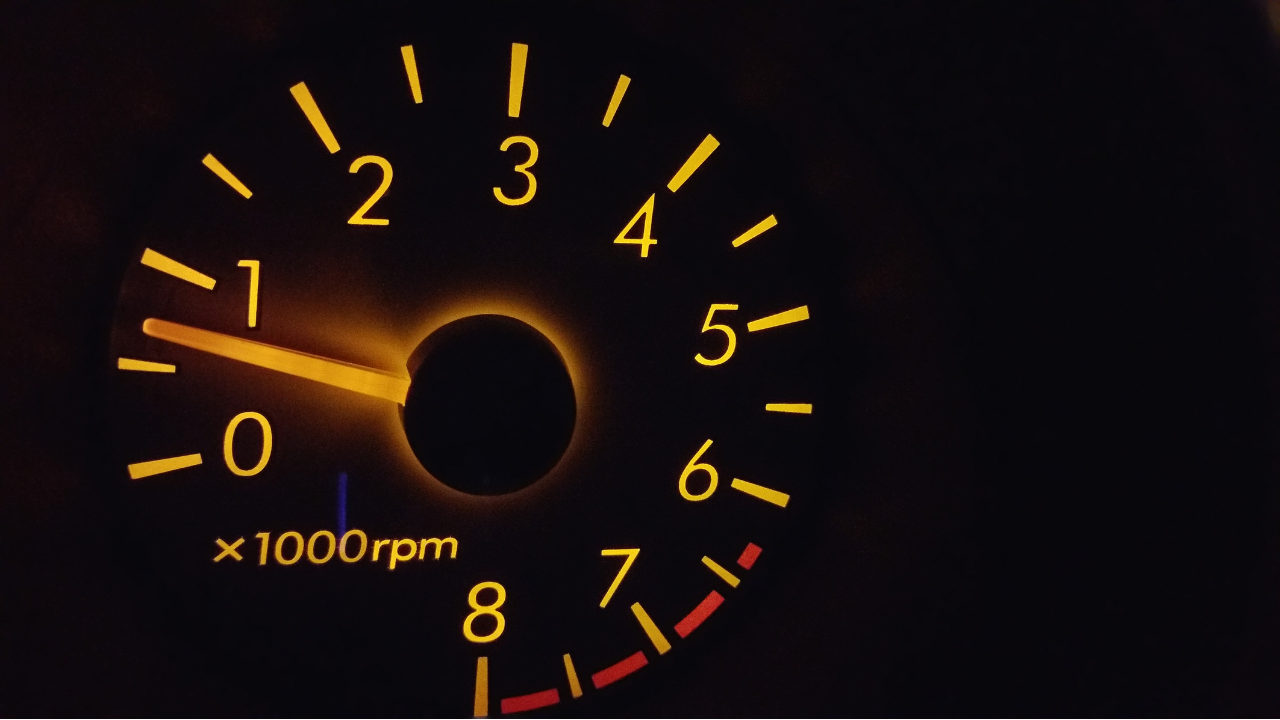
RPM stands for “Revolutions Per Minute.”
It measures how many times something rotates in one minute.
In simple terms:
RPM tells you how fast something is spinning.
Real-Life Examples of RPM
RPM is used in many everyday applications:
Cars
Power Tools
Fans & HVAC Systems
Industrial Machines
Why RPM Matters
1. Improve Performance
Operating equipment at the correct speed ensures optimal results.
2. Prevent Damage
Running machines too fast can lead to overheating, wear, or failure.
3. Increase Efficiency
Correct RPM reduces energy waste and improves lifespan.
4. Troubleshoot Problems
Unusual RPM readings can indicate issues like:
What Is a “Normal” RPM?
It depends on the application:
|
Equipment |
Typical RPM Range |
|
Car (idle) |
600–1,000 RPM |
|
Electric motor |
1,000–3,600 RPM |
|
Computer fan |
1,000–3,000 RPM |
|
Power tools |
3,000–10,000+ RPM |
There’s no single “correct” RPM, only what’s appropriate for the specific device.
How to Measure RPM Accurately
The most reliable way to measure RPM is with a tachometer.
A device like the Mastech MS6209C Tachometer makes this process simple, fast, and accurate.
How to Use the MS6209C Tachometer (Step-by-Step)
1. Turn On the Device
Power on the tachometer and select the measurement mode.
2. Choose Non-Contact Measurement
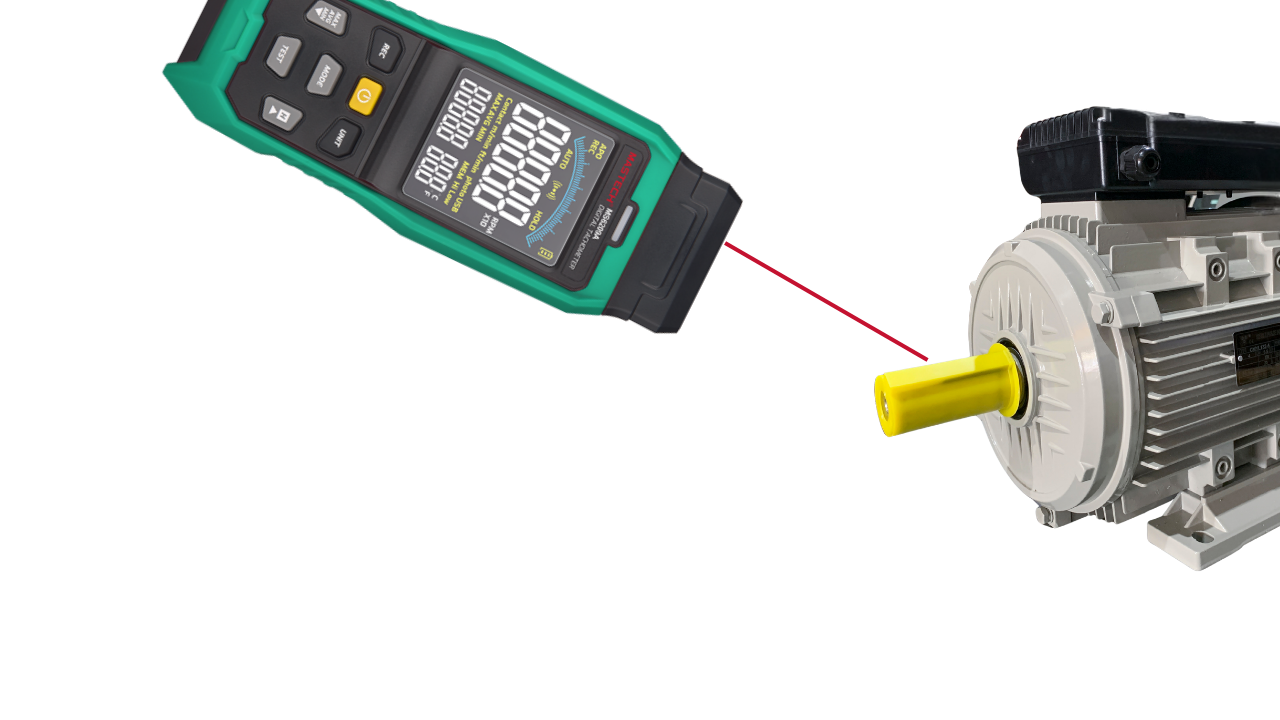
The MS6209C uses a laser-based, non-contact method, making it safe and easy to use.
3. Apply Reflective Tape
Place a small piece of reflective tape on the rotating object (shaft, fan blade, etc.).
4. Aim the Tachometer
Point the laser at the reflective tape from a safe distance.
5. Read the RPM
The display will show the real-time RPM measurement instantly.
Why Use a Non-Contact Tachometer?
Compared to contact methods, non-contact tachometers offer:
This makes the MS6209C ideal for both beginners and professionals.
Common Mistakes When Measuring RPM
Avoid these for better accuracy:
Real-Life Example
Let’s say you’re testing a ventilation fan:
This indicates a potential issue such as:
Without measuring RPM, this issue could go unnoticed.
Why Measuring RPM Matters More Than You Think
Many people rely on guesswork when it comes to machine speed, but that can lead to inefficiency or damage.
With a reliable tool like the Mastech MS6209C Tachometer, you can:
Final Thoughts
RPM is a simple concept, but it plays a critical role in how machines, tools, and systems perform. By understanding RPM and measuring it accurately, you can improve performance, extend equipment life, and make smarter decisions.
2026-04-15
 Mastech CN
 Mastech TW