Language
 Mastech EN
Mastech EN
Mastech EN
What Causes Flickering Lights? DIY Troubleshooting Guide for Homeowners
Flickering lights are one of the most common electrical issues homeowners notice and one of the most confusing. Sometimes it’s a harmless bulb problem. Other times, it can signal loose wiring or a serious electrical fault.
This guide will help you understand why lights flicker, identify common causes, and know when it’s safe to troubleshoot yourself and when to call a professional.
Are Flickering Lights Dangerous?
Not all flickering lights are dangerous, but persistent or widespread flickering should never be ignored. Electrical problems can lead to:
The key is knowing what kind of flickering you’re seeing.
Common Causes of Flickering Lights
1. Loose or Failing Light Bulbs
Most common and easiest fix
DIY check: Turn off power, tighten or replace the bulb.
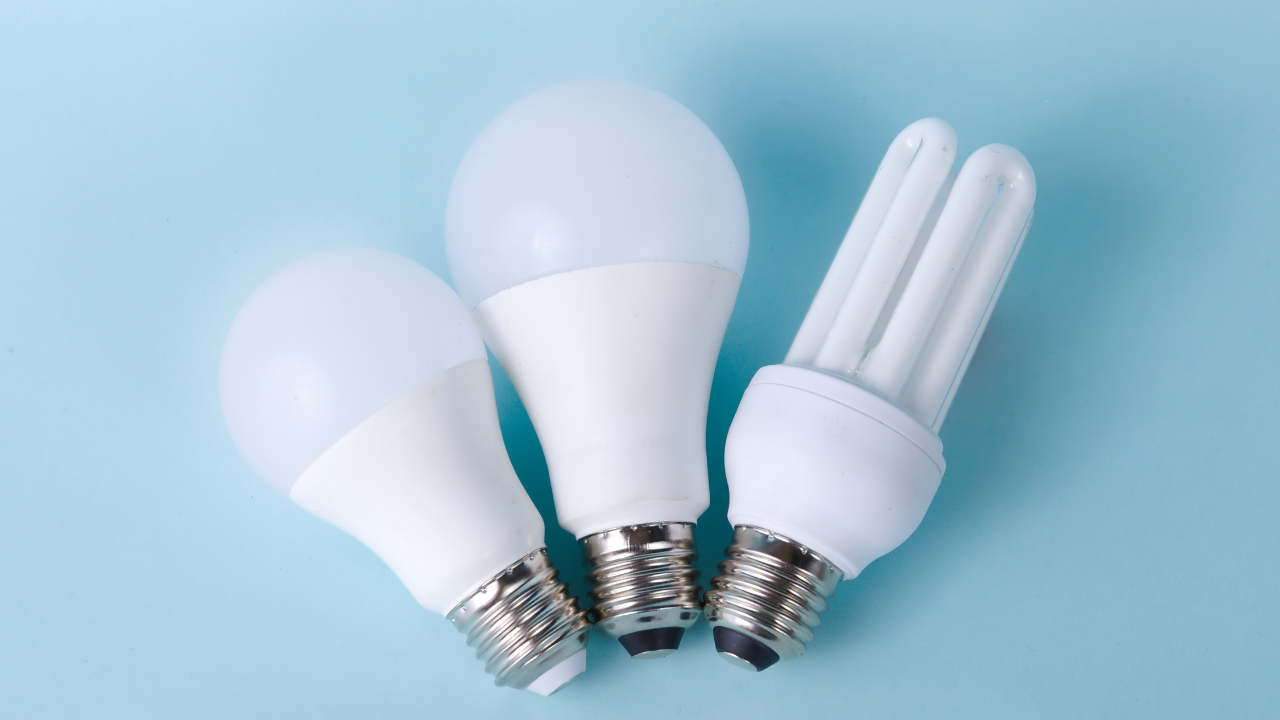
2. Incompatible or Faulty LED Bulbs
LED lights are sensitive to voltage and dimmers.
DIY check:
3. Incompatible or Old Dimmer Switches
Older dimmers weren’t designed for LED loads.
Signs include:
Solution: Upgrade to an LED-rated dimmer.
4. Voltage Fluctuations
Small voltage changes are normal, but large swings are not.
You may notice flickering when:
This can indicate:
5. Loose Wiring or Connections
⚠️ Potential fire hazard
Loose wiring can exist in:
Warning signs:
Stop DIY troubleshooting and call an electrician.
6. Issues at the Electrical Panel
Problems inside the breaker panel can cause widespread flickering:
If flickering occurs throughout the house, this is a professional only repair.
7. Utility Company or Service Line Issues
Sometimes the problem isn’t inside your home.
Possible causes:
Signs include:
Contact your utility provider to inspect the service line.
DIY Troubleshooting Checklist
You can safely check the following:
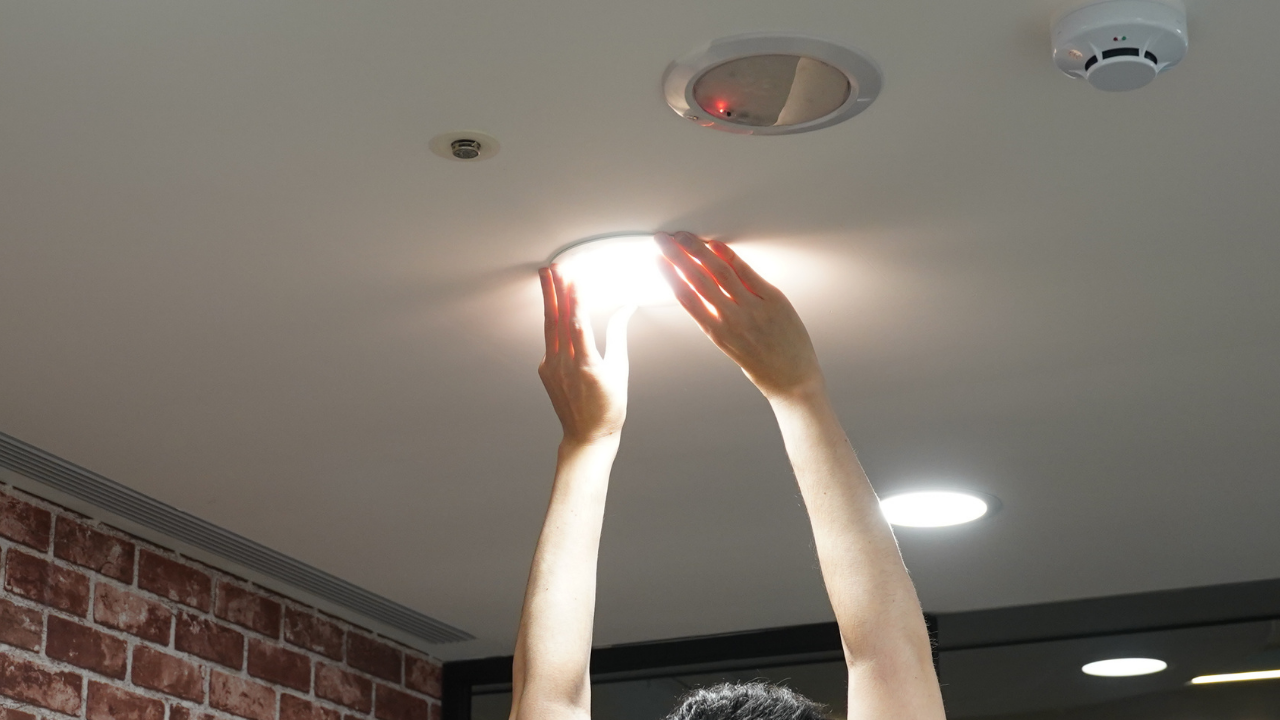
Do not open electrical panels or wall boxes unless qualified.
When Flickering Lights Are NOT Safe
Call an electrician immediately if:
Why Ignoring Flickering Lights Is Risky
Ignoring flickering lights can lead to:
What starts as a minor annoyance can become a serious safety issue.
Final Thoughts
Flickering lights are your home’s way of signaling something isn’t right. While some causes are simple DIY fixes, others require professional attention.
Understanding the difference helps you protect your home, your appliances, and your family before a small issue becomes a dangerous one.
2026-01-14
 Mastech CN
 Mastech TW