Language
 Mastech EN
Mastech EN
Mastech EN
How Temperature and Humidity Affect Your Health, Comfort, and Energy Bills
When people think about home comfort, they usually think about temperature. But humidity plays just as important a role. Together, temperature and humidity affect how comfortable you feel, how healthy your indoor environment is, and even how much you spend on energy.
Understanding these two factors can help you create a healthier, more efficient home.
Why Temperature Matters in Your Home
Temperature directly affects your body, sleep quality, and daily productivity.
If Your Home Is Too Hot
You may experience:
High temperatures can also increase cooling costs and strain air conditioning systems.
If Your Home Is Too Cold
You may experience:
Cold indoor temperatures can also increase condensation and moisture problems.
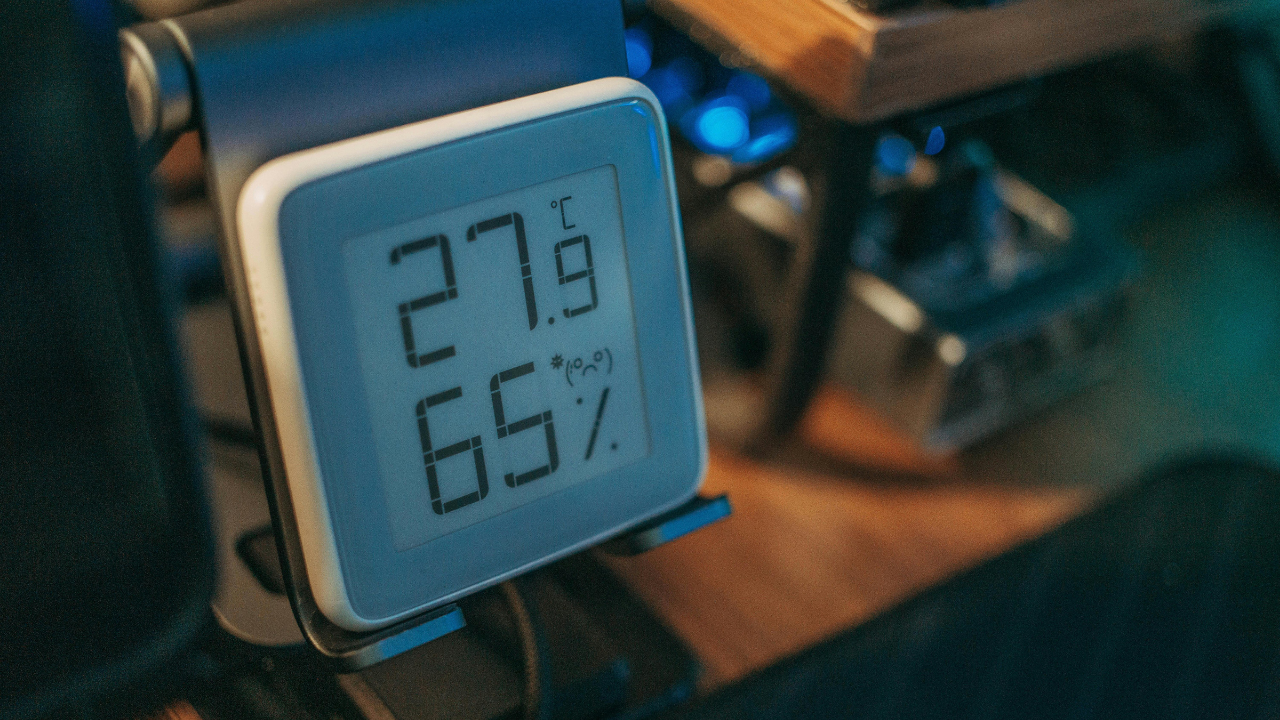
Why Humidity Is Just as Important
Humidity measures how much moisture is in the air. Indoor humidity levels that are too high or too low can cause major comfort and health problems.
High Humidity Problems (Above ~60% RH)
High humidity can lead to:
High humidity also makes temperatures feel hotter than they actually are.
Low Humidity Problems (Below ~30% RH)
Low humidity can cause:
Low humidity often makes indoor air feel colder.
The Ideal Temperature and Humidity Range
For most homes:
Temperature:
Humidity:
This range helps:
How Temperature and Humidity Affect Energy Bills
Many homeowners don’t realize how strongly humidity affects energy use.
High Humidity = Higher Cooling Costs
Humid air feels warmer, so people lower AC temperature settings. This increases electricity usage.
Low Humidity = Higher Heating Costs
Dry air feels cooler, leading people to increase heating levels.
Balanced Air = Lower Energy Consumption
Maintaining proper humidity can:
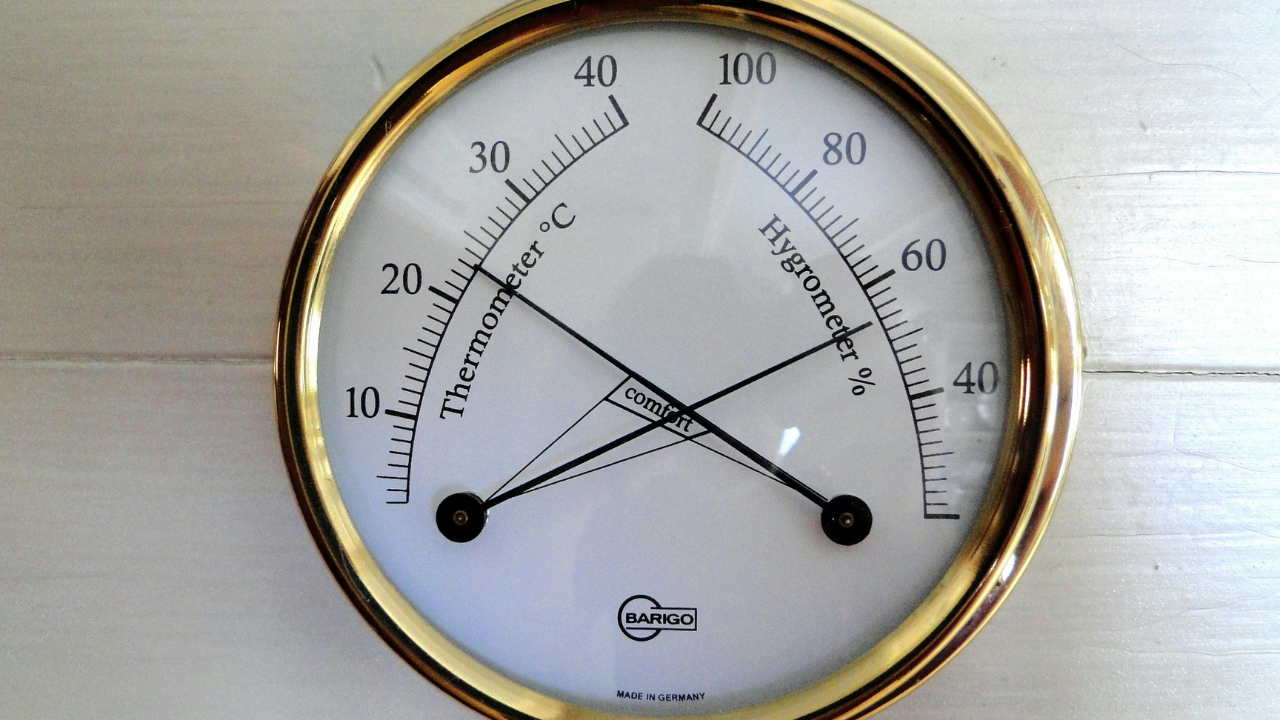
How to Improve Indoor Temperature and Humidity Balance
Simple actions can help:
To Reduce Humidity
To Increase Humidity
Why Monitoring Indoor Conditions Matters
Indoor temperature and humidity change throughout the day due to:
Monitoring helps you react early before problems start.
When to Check Your Indoor Environment
It’s especially important to monitor conditions when:
Final Thoughts
Comfort isn’t just about setting the thermostat. Temperature and humidity work together to shape your indoor environment. Keeping them balanced helps protect your health, improve comfort, and reduce energy costs.
Small adjustments combined with awareness and monitoring can make a big difference in how your home feels and performs.
2026-02-05
 Mastech CN
 Mastech TW