Language
 Mastech EN
Mastech EN
Mastech EN
Signs Your Home Has Too Much Humidity (And How to Fix It)
Too much humidity in your home can quietly cause discomfort, health issues, and even long-term damage to your space. The tricky part? Many people don’t realize there’s a problem until it’s already affecting their daily life. In this guide, we’ll walk you through the most common signs of high humidity, how to confirm it with proper measurement, and simple ways to fix it.
What Is “Too Much” Humidity?
Humidity refers to the amount of moisture in the air. The key measurement is relative humidity (RH).
For most homes, the ideal range is:
40% – 60% RH
7 Signs Your Home Has Too Much Humidity
1. Sticky, Uncomfortable Air
If your home feels warm, heavy, or sticky even with air conditioning, excess moisture is likely the cause.
High humidity makes it harder for sweat to evaporate, making you feel hotter than the actual temperature.
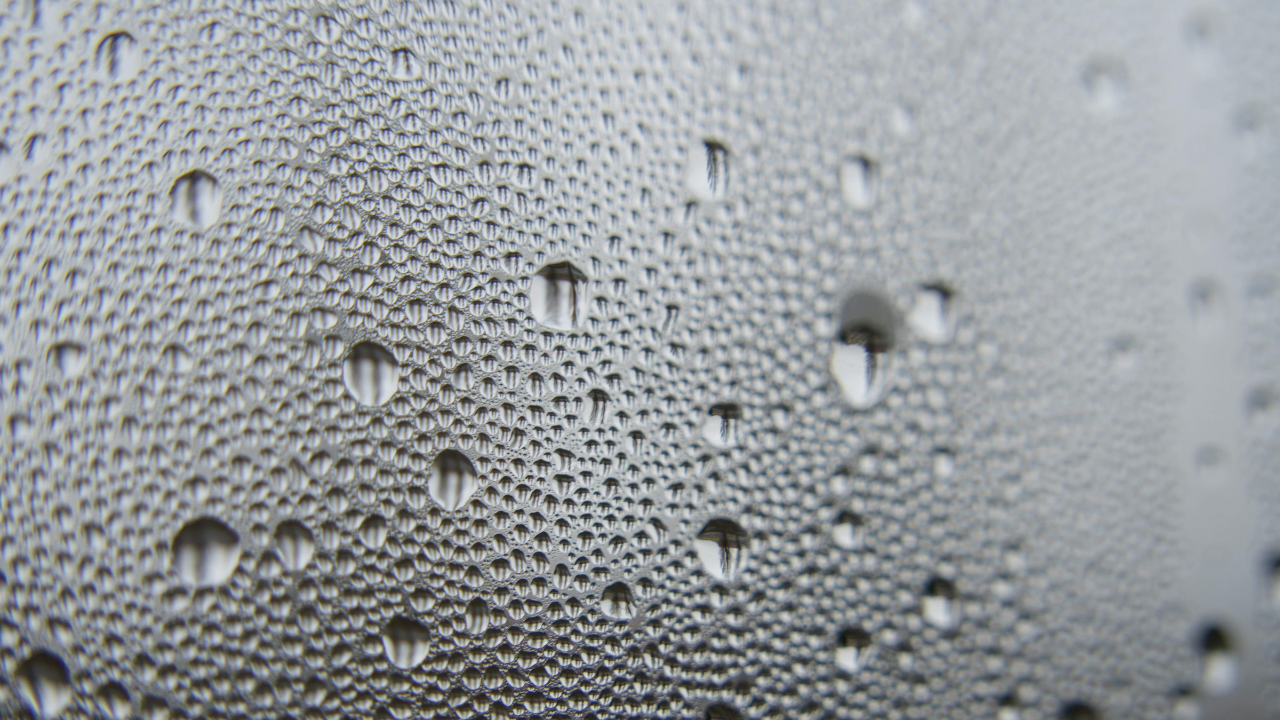
2. Condensation on Windows
Do you see water droplets on your windows, especially in the morning?
This is a classic sign that indoor air is saturated with moisture.
3. Musty or Damp Smell
A persistent musty odor often means moisture is trapped somewhere, perfect conditions for mold and mildew to grow.
4. Mold or Mildew Growth
Visible mold (black, green, or white spots) is a clear warning sign.
Common areas:
5. Peeling Paint or Wallpaper
Excess humidity can cause:
Moisture weakens adhesives and finishes over time.
6. Increased Allergies or Respiratory Issues
High humidity encourages:
This can lead to sneezing, coughing, or worsened allergies.
7. Warped Wood or Furniture Damage
Wood absorbs moisture easily. Signs include:

How to Confirm High Humidity (Don’t Guess)
While these signs are helpful, the only way to be sure is to measure humidity accurately.
Using a thermo-hygrometer like the Mastech MS6515, you can get real-time readings of:
Quick Measuring Tips:
If your reading is consistently above 60% RH, your home has a humidity problem.
How to Fix High Humidity
Once you’ve confirmed high humidity, here are practical ways to bring it back under control:
1. Improve Ventilation
2. Use a Dehumidifier
A dehumidifier is one of the most effective solutions for:
3. Adjust Your Air Conditioning
Air conditioners naturally remove moisture, but only if:
4. Reduce Moisture Sources
Common hidden sources include:
Simple fix: use lids when cooking and ventilate properly.
5. Fix Leaks and Water Issues
Check for:
Even small leaks can significantly increase indoor humidity.
6. Use Moisture Absorbers
For smaller spaces:
Moisture absorbers can help maintain balance.
Real-Life Example
Imagine your thermo-hygrometer shows:
This indicates a high humidity environment. Even if it doesn’t seem extreme, over time it can lead to mold growth, discomfort, and damage to your home.
Why Measuring Humidity Matters
Many people try to fix humidity blindly, opening windows, adjusting AC, or buying equipment without knowing the actual problem.
With a reliable tool like the Mastech MS6515 Thermo-Hygrometer, you can:

Final Thoughts
High humidity isn’t always obvious, but the signs are there if you know what to look for. From sticky air to mold growth, excess moisture can impact your comfort, health, and home.
The key is simple: By monitoring your indoor environment and taking small corrective steps, you can keep your home within the ideal 40%–60% humidity range and enjoy a healthier, more comfortable space.
2026-04-08
 Mastech CN
 Mastech TW