Language
 Mastech EN
Mastech EN
Mastech EN
Is My Home Wiring Safe? Warning Signs of Old or Faulty Electrical Wiring
Electrical wiring is one of the most critical and most overlooked systems in your home. Because it’s hidden behind walls, problems often go unnoticed until they cause power failures, damaged appliances, or even fires. Understanding the early warning signs of old or faulty wiring can help you act before a small issue becomes a serious hazard.
Why Home Wiring Safety Matters
Faulty electrical wiring is a leading cause of residential electrical fires worldwide. Aging systems, outdated materials, and improper DIY repairs all increase the risk of overheating, shocks, and equipment damage. If your home is more than 20–30 years old, regular checks are especially important.
Common Warning Signs of Unsafe Wiring
1. Frequent Circuit Breaker Trips
If your circuit breaker trips often, it may indicate:
l Overloaded circuits
l Short circuits
l Faulty wiring or aging insulation
Occasional trips are normal, but repeated tripping is a sign your system is under stress.
2. Flickering or Dimming Lights
Lights that flicker, dim, or change brightness unexpectedly may point to:
l Loose wiring connections
l Overloaded circuits
l Failing fixtures or switches
If flickering happens across multiple rooms, the issue may be deeper in the wiring system.
3. Warm or Discolored Outlets and Switches
Outlets or switches that feel warm to the touch or show discoloration are a serious warning sign. Heat buildup often means:
l Loose connections
l Excessive current flow
l Deteriorating wiring insulation
This condition increases fire risk and should be addressed immediately.
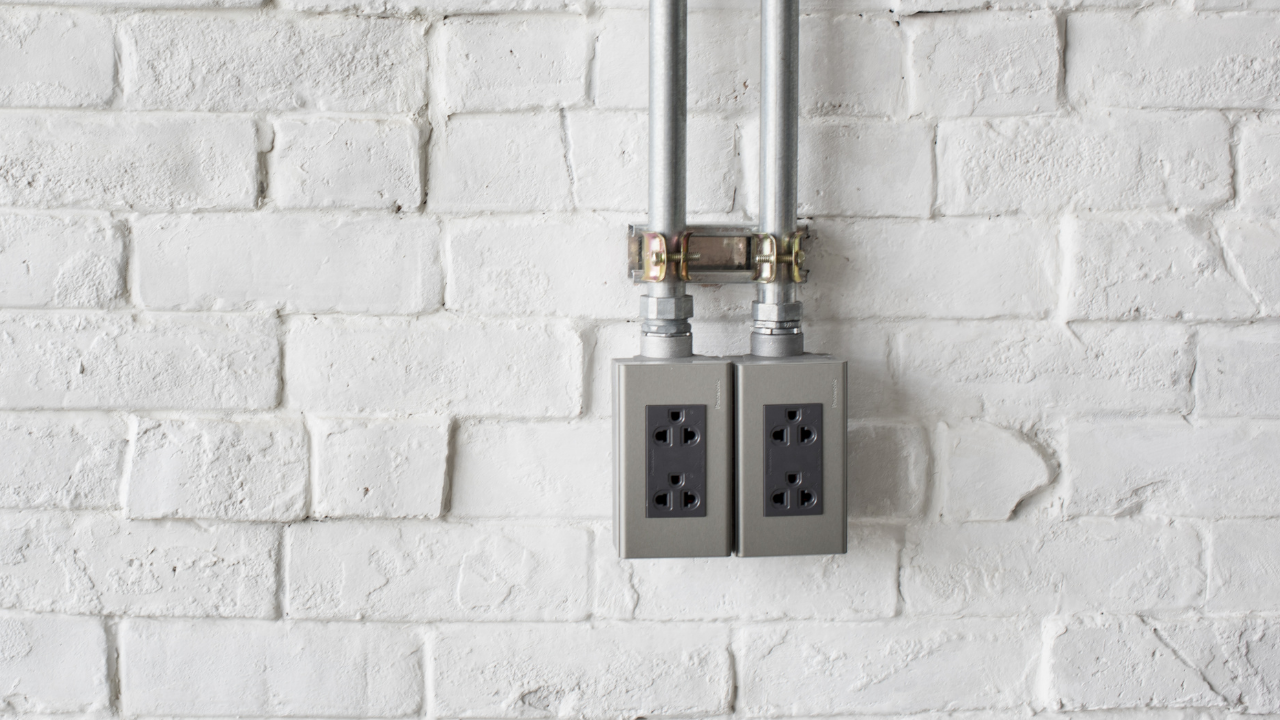
4. Burning Smell or Buzzing Sounds
A persistent burning odor, buzzing, or crackling sound near outlets or walls can indicate:
l Overheating wires
l Arcing connections
l Damaged insulation
Turn off power to the affected area and contact a licensed electrician right away.
5. Outlets That Don’t Work Properly
Dead outlets, intermittent power, or plugs that fall out easily may be caused by:
l Worn receptacles
l Loose wiring behind the outlet
l Improper installation
These issues can worsen over time and lead to sparks or heat buildup.
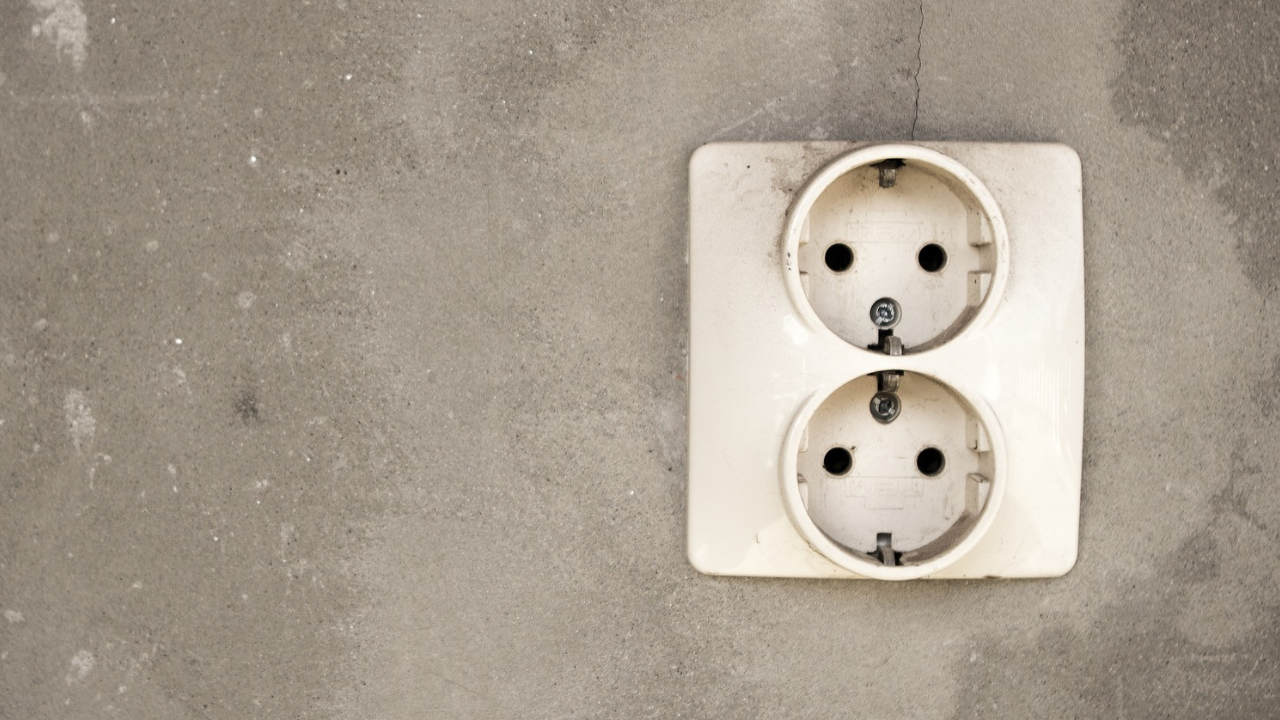
6. Use of Extension Cords as Permanent Solutions
Relying on extension cords or power strips for everyday use may mean your home lacks enough outlets. This often leads to:
l Circuit overloads
l Overheated cords
l Increased fire risk
Permanent wiring upgrades are safer than temporary fixes.
7. Old Wiring Types
Homes built decades ago may still contain outdated wiring such as:
l Aluminum wiring
l Cloth-insulated wiring
l Ungrounded circuits
These materials may not meet modern safety standards and should be evaluated by a professional.
Simple Checks Homeowners Can Do
While full inspections should be left to electricians, homeowners can:
l Visually inspect outlets and switches for discoloration
l Use a multimeter to check outlet voltage consistency
l Test outlets for proper grounding
l Pay attention to unusual smells, sounds, or heat
Always prioritize safety and avoid opening electrical panels unless trained.
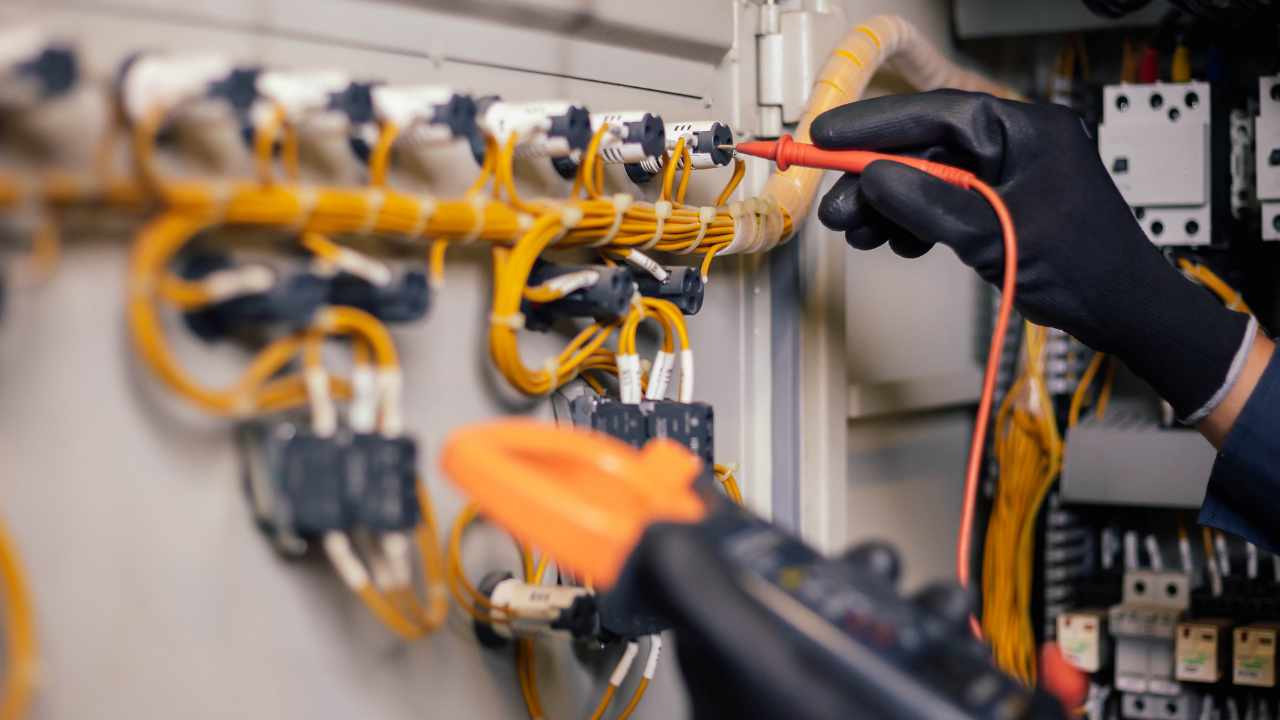
When to Call a Professional
Contact a licensed electrician if you notice:
l Repeated breaker trips
l Signs of overheating
l Burning smells or sparking
l Multiple electrical issues at once
Early intervention can prevent costly repairs and protect your home and family.
Final Thoughts
Electrical problems rarely fix themselves, they usually get worse. Knowing the warning signs of old or faulty wiring helps you act early, improve home safety, and avoid serious hazards. Regular checks and professional inspections are key to keeping your home’s electrical system reliable and safe.
2025-12-21
 Mastech CN
 Mastech TW