Language
 Mastech EN
Mastech EN
Mastech EN
How Noise Affects Sleep (And What You Can Do About It)
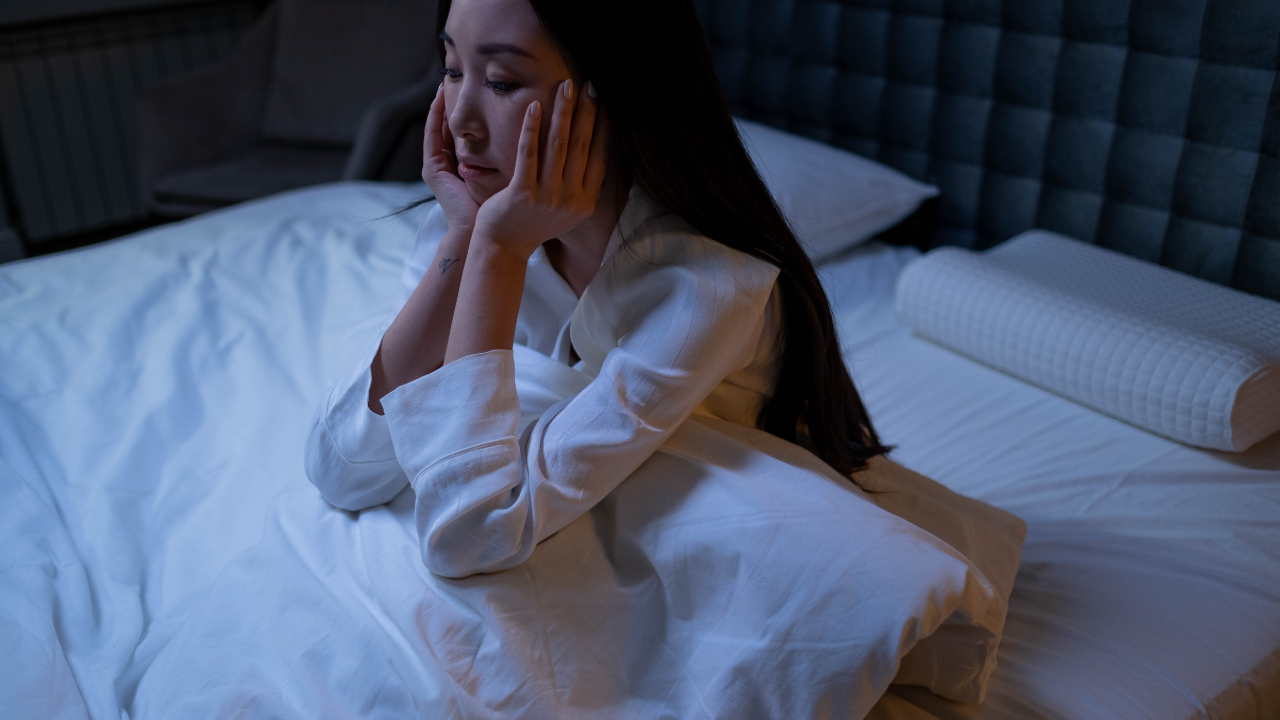
Struggling to fall asleep or waking up tired, even after a full night in bed? The problem might not be your schedule or your mattress. It could be noise.
Even low-level background noise can disrupt your sleep without you realizing it. In this guide, we’ll explain how noise affects sleep, what levels are considered too loud, and what you can do to create a quieter, more restful environment.
Why Noise Matters for Sleep
Sleep isn’t just about closing your eyes, it’s a cycle of different stages, including deep sleep and REM sleep. Noise can interfere with these cycles, even if it doesn’t fully wake you up.
This means you might sleep through the night, but still feel tired the next day.
How Noise Disrupts Your Sleep
1. Frequent Micro-Awakenings
Sudden or continuous noise can cause small interruptions in your sleep cycle. You may not remember waking up, but your body does.
2. Reduced Deep Sleep
Deep sleep is when your body recovers and repairs itself. Noise can reduce the amount of time you spend in this critical stage.
3. Increased Stress Levels
Noise, even at low levels, can increase stress hormones like cortisol, making it harder to relax and fall asleep.
4. Difficulty Falling Asleep
Background sounds like traffic, neighbors, or electronics can make it harder for your brain to “switch off.”
What Noise Level Is Too Loud for Sleep?
Noise is measured in decibels (dB).
For optimal sleep:
Common Nighttime Noise Levels:
Even moderate noise levels can impact sleep quality over time.
Signs Noise Is Affecting Your Sleep
You might not immediately connect noise to poor sleep, but here are common indicators:
How to Measure Noise Levels in Your Bedroom
The best way to understand your sleep environment is to measure it accurately.
Using a sound level meter like the Mastech MS6703B, you can:
Quick Tips:
If your bedroom is consistently above 40 dB, noise may be affecting your sleep.
Are Smartphone Apps Accurate?
Many apps claim to measure noise, but they often:
A dedicated sound level meter gives you reliable data you can trust.
What You Can Do to Reduce Noise
If your measurements show high noise levels, here are practical ways to improve your sleep environment:
1. Block External Noise
2. Add Sound Absorbing Materials
3. Rearrange Your Bedroom
4. Use White Noise
Consistent background sound (like a fan) can help mask sudden noises and improve sleep continuity.
5. Address the Source
Real-Life Example
Let’s say you measure your bedroom noise:
While this may not seem extreme, these levels can cause repeated sleep disruptions, leaving you feeling tired the next day.
Why Measuring Noise Makes a Difference
Many people try to fix sleep issues without understanding the root cause.
By measuring noise levels, you can:
With a reliable tool like the Mastech MS6703B Sound Level Meter, improving your sleep becomes a data-driven process, not guesswork.

Final Thoughts
Noise is one of the most overlooked factors affecting sleep quality. Even small disturbances can have a big impact over time. The solution starts with awareness. Measure your environment, make small adjustments, and create a space where your body can truly rest. Because better sleep doesn’t just happen, it’s built.
2026-04-22
 Mastech CN
 Mastech TW