Language
 Mastech EN
Mastech EN
Mastech EN
How Humidity Affects Temperature (Feels Like vs Actual Temperature)
Have you ever checked the temperature and thought, “There’s no way it’s only 30°C, it feels much hotter!”
You’re not imagining it. The difference between actual temperature and how it feels is largely influenced by one key factor: humidity.
In this guide, we’ll explain how humidity affects temperature, why it changes how you feel, and how to measure it accurately to improve your comfort.
What’s the Difference Between Actual Temperature and “Feels Like”?
The “feels like” temperature is influenced by:
In indoor environments, humidity is the biggest factor.
How Humidity Makes It Feel Hotter
When it’s hot, your body cools itself by sweating. As sweat evaporates, it removes heat from your skin.
But here’s the problem:
High humidity slows down evaporation
When the air is already full of moisture:
Example:
It can feel closer to 35-38°C
This is often referred to as the heat index.

How Low Humidity Makes It Feel Cooler
On the other hand, when humidity is low:
Example:
It may feel closer to 27-28°C
Why This Matters Indoors
Many people adjust their air conditioning based only on temperature, but ignore humidity.
This leads to common problems:
1. Overusing Air Conditioning
If humidity is high, you may lower the temperature unnecessarily, increasing energy costs.
2. Uneven Comfort
Two rooms at the same temperature can feel completely different depending on humidity levels.
3. Poor Sleep Quality
High humidity can make nights feel hotter and more uncomfortable.
The Ideal Balance for Comfort
For most indoor environments:
Ideal humidity: 40% - 60% RH
At this range:
How to Measure Temperature and Humidity Accurately
To truly understand your indoor environment, you need to measure both temperature and humidity together.
A device like the Mastech MS6515 Thermo-Hygrometer allows you to:
Quick Tips:
This gives you a clear picture of your actual vs perceived comfort.
How to Improve “Feels Like” Temperature
If your space feels too hot:
1. Reduce Humidity
2. Optimize Air Conditioning
3. Increase Airflow
If your space feels too dry:
4. Add Humidity
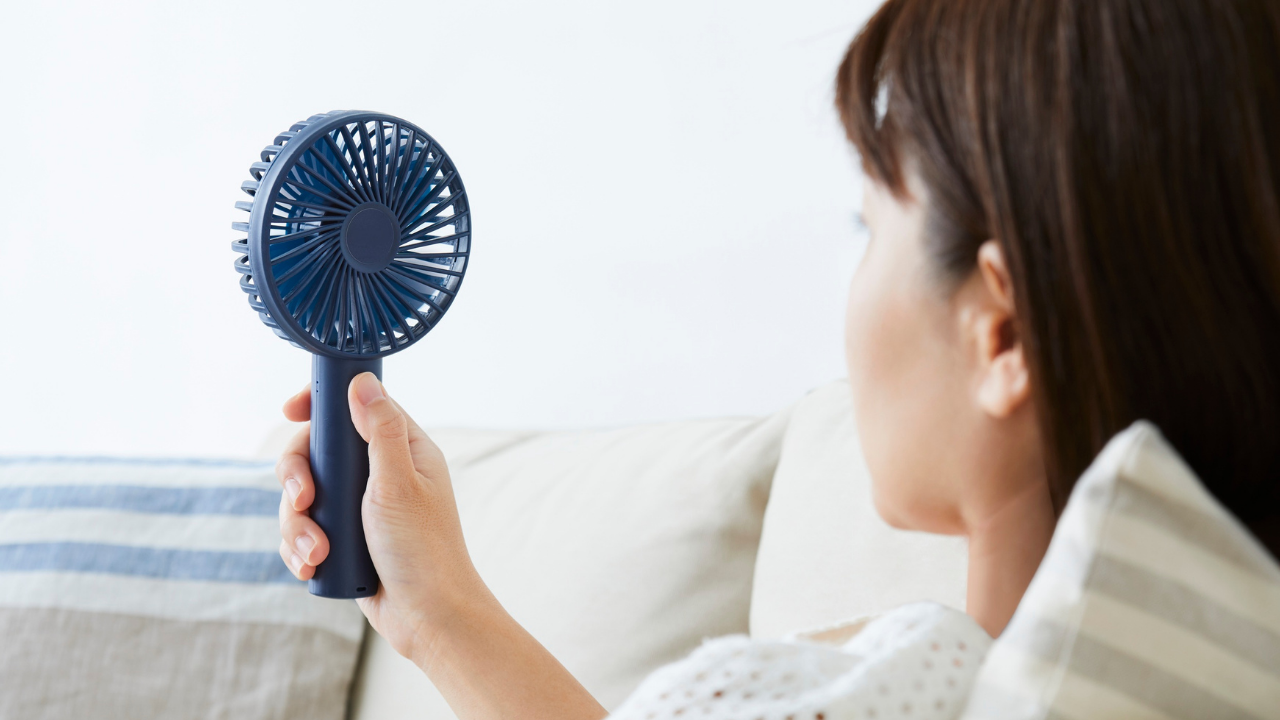
Real-Life Example
Let’s say your device shows:
Even though 29°C seems reasonable, the high humidity makes it feel significantly hotter and more uncomfortable.
Why Measuring Both Factors Matters
Temperature alone doesn’t tell the full story.
By measuring humidity alongside temperature, you can:
Final Thoughts
If your home often feels hotter (or colder) than expected, humidity is likely the missing piece.
It’s not just about temperature, it’s about how your environment feels.
By keeping humidity within the ideal 40~60% range and using a reliable tool like the Mastech MS6515 Thermo-Hygrometer, you can take full control of your indoor comfort.
2026-04-15
 Mastech CN
 Mastech TW