Language
 Mastech EN
Mastech EN
Mastech EN
A Beginner’s Guide to Household Voltage, Current, and Power Explained Simply
Electricity powers almost everything in your home, but terms like voltage, current, and power can feel confusing if you’re not an electrician. Understanding these basics is key to safely using your appliances, avoiding overloads, and troubleshooting minor electrical issues.
This guide breaks down the concepts in simple terms and shows how they affect your daily life at home.
1. Voltage: The “Pressure” of Electricity
Voltage (V) is the force that pushes electrical charges through wires, think of it like water pressure in a pipe.
At home:
2. Current: The Flow of Electricity
Current (I) measures the flow of electricity, like the amount of water flowing through a pipe.
At home:
3. Power: How Much Work Electricity Can Do
Power (P) combines voltage and current to indicate how much energy is being used.
Examples at home:
Why it matters:
4. How Voltage, Current, and Power Work Together
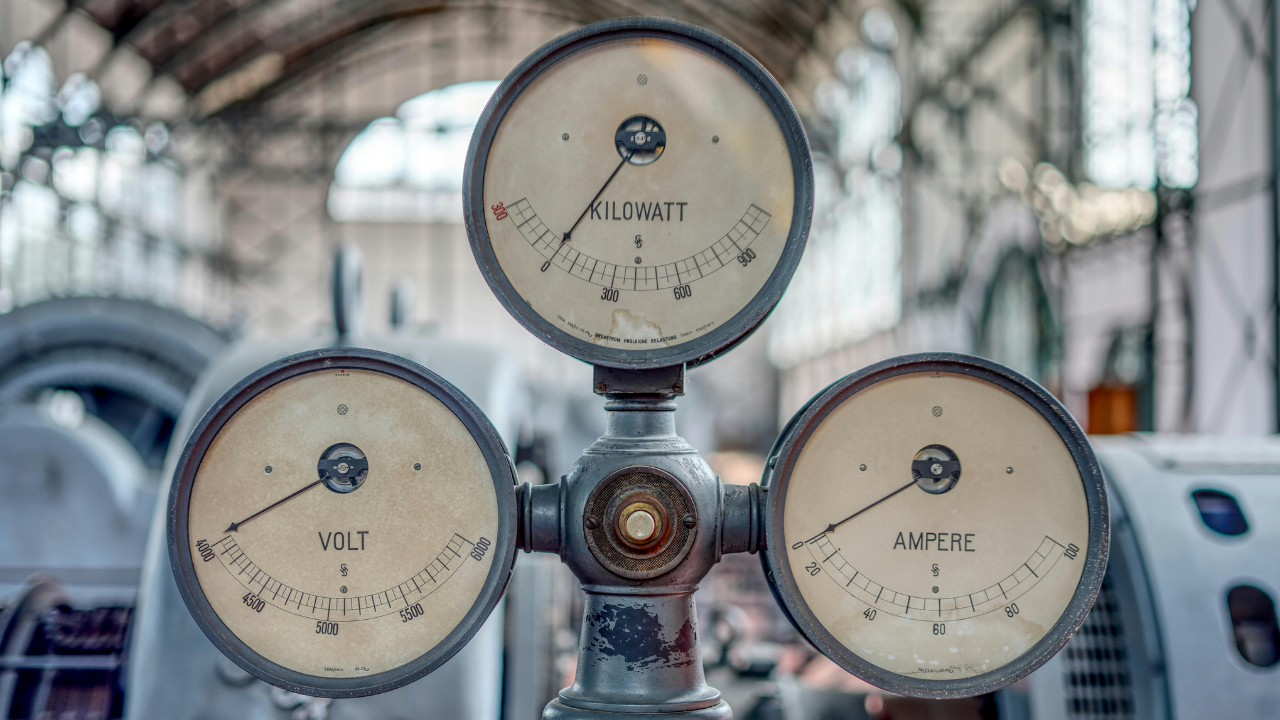
Think of electricity like water in a hose:
Safety tip:
5. Common Household Applications
Here’s how these basics show up in daily life:
6. Quick Tips for Safe Home Electricity
l Check appliance voltage ratings before plugging in
l Avoid daisy-chaining multiple power strips
l Don’t overload circuits, know your home’s amperage limits
l Replace frayed cords or damaged plugs
l Use a multimeter to measure voltage, current, or outlet safety if comfortable
Final Thoughts
Understanding voltage, current, and power doesn’t require an engineering degree, it just requires a basic grasp of how electricity flows and powers your home. With this knowledge, you can use appliances safely, troubleshoot minor issues, and make informed decisions about your home’s electrical system.
A little understanding goes a long way in keeping your home safe and your electricity working efficiently.
2026-01-20
 Mastech CN
 Mastech TW