Language
 Mastech EN
Mastech EN
Mastech EN
10 Common Household Electrical Problems and How to Spot Them Early
Electricity powers almost everything in our homes, lighting, appliances, chargers, entertainment systems, and more. But like any system, electrical wiring and components can wear out, degrade, or become overloaded over time. Knowing how to recognize early warning signs can help you prevent hazards, avoid costly repairs, and keep your home running safely.
Here are 10 common household electrical problems and the early signs you should never ignore.
1. Flickering or Dimming Lights
Flickering lights are often dismissed as a minor annoyance, but they can indicate:Early sign: Lights dimming when large appliances (AC, microwave) switch on, a sign that your circuit is struggling to keep up.
2. Warm or Discolored Outlets
Outlets should never feel warm to the touch. Heat or discoloration around an outlet can mean:Early sign: A slight burning smell near the outlet, stop using it immediately and have it inspected.
3. Frequently Tripping Circuit Breakers
Circuit breakers are designed to protect you by tripping when too much current flows. But frequent tripping is a symptom of:Early sign: Breakers that trip during normal appliance use, not just during heavy load times.
4. Buzzing or Crackling Sounds
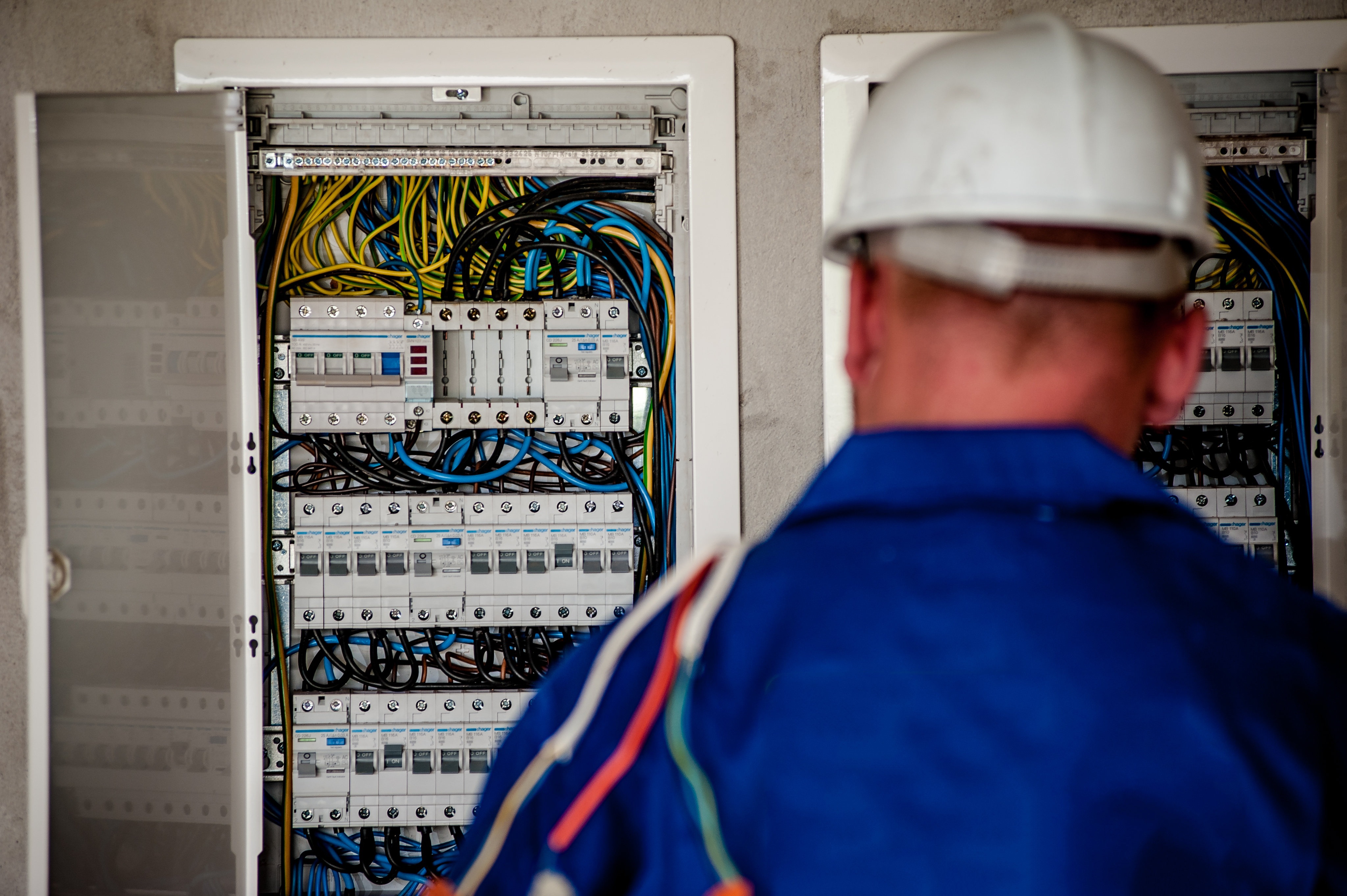
Electricity should be silent. Any buzzing, sizzling, or crackling noise is a red flag. Possible causes include:Early sign: Sounds that appear only when a light or device is turned on.
5. Outlets or Switches Not Working
A dead outlet might seem harmless, but it can signal deeper problems:Early sign: Outlets that work intermittently before failing completely.
6. Burning Smell or Smoke
This is one of the most serious warning signs. A burning smell could indicate:Early action: Turn off the power to the affected area immediately and call a licensed electrician.
7. High Electricity Bills Without Explanation
A sudden increase in your bill often points to electrical inefficiencies, such as:Early sign: Appliances that feel unusually warm or operate louder than usual.
8. Light Bulbs Burning Out Quickly
If you’re constantly replacing bulbs, the issue may not be the bulb at all. Common causes include:Early sign: Bulbs that flicker before failing.
9. Shock or Tingling When Touching Appliances
A mild shock or tingling sensation is not normal. It may indicate:Early sign: Shocks occurring only when barefoot or when standing on certain surfaces, often tied to grounding issues.
10. Overloaded Extension Cords
Many homes unknowingly rely on extension cords for long-term use, which they were never designed for. This can lead to:Early sign: Warm cords, loose plugs, or cords that spark when plugged in.
How to Stay Safe
While many electrical issues start small, they can quickly escalate if ignored. Here are simple steps homeowners can take:Early detection is the key to preventing hazards. By staying aware of these common household issues, you can protect your home, your family, and your peace of mind.
2025-12-14
 Mastech CN
 Mastech TW