Language
 Mastech EN
Mastech EN
Mastech EN
Are Your Appliances Safe? How to Recognize Signs of Electrical Overload
Modern homes rely on more electrical devices than ever before. From kitchen appliances to home office equipment, the demand on your electrical system keeps growing. But when too many devices draw power at once, your home may experience an electrical overload, a common but potentially dangerous problem.
Knowing how to recognize the warning signs of electrical overload can help you protect your appliances, prevent damage, and reduce fire risk.
What Is an Electrical Overload?
An electrical overload happens when more current flows through a circuit than it was designed to handle. This excess current causes wiring and components to heat up, increasing the risk of:
Overloads are especially common in older homes with outdated wiring.
Common Signs of Electrical Overload
1. Frequently Tripping Circuit Breakers
Circuit breakers are designed to shut off power when a circuit is overloaded.
If a breaker trip repeatedly:
Resetting a breaker occasionally is normal. Resetting it often is not.
2. Warm or Hot Outlets and Plugs
Outlets should never feel hot to the touch.
Warning signs include:
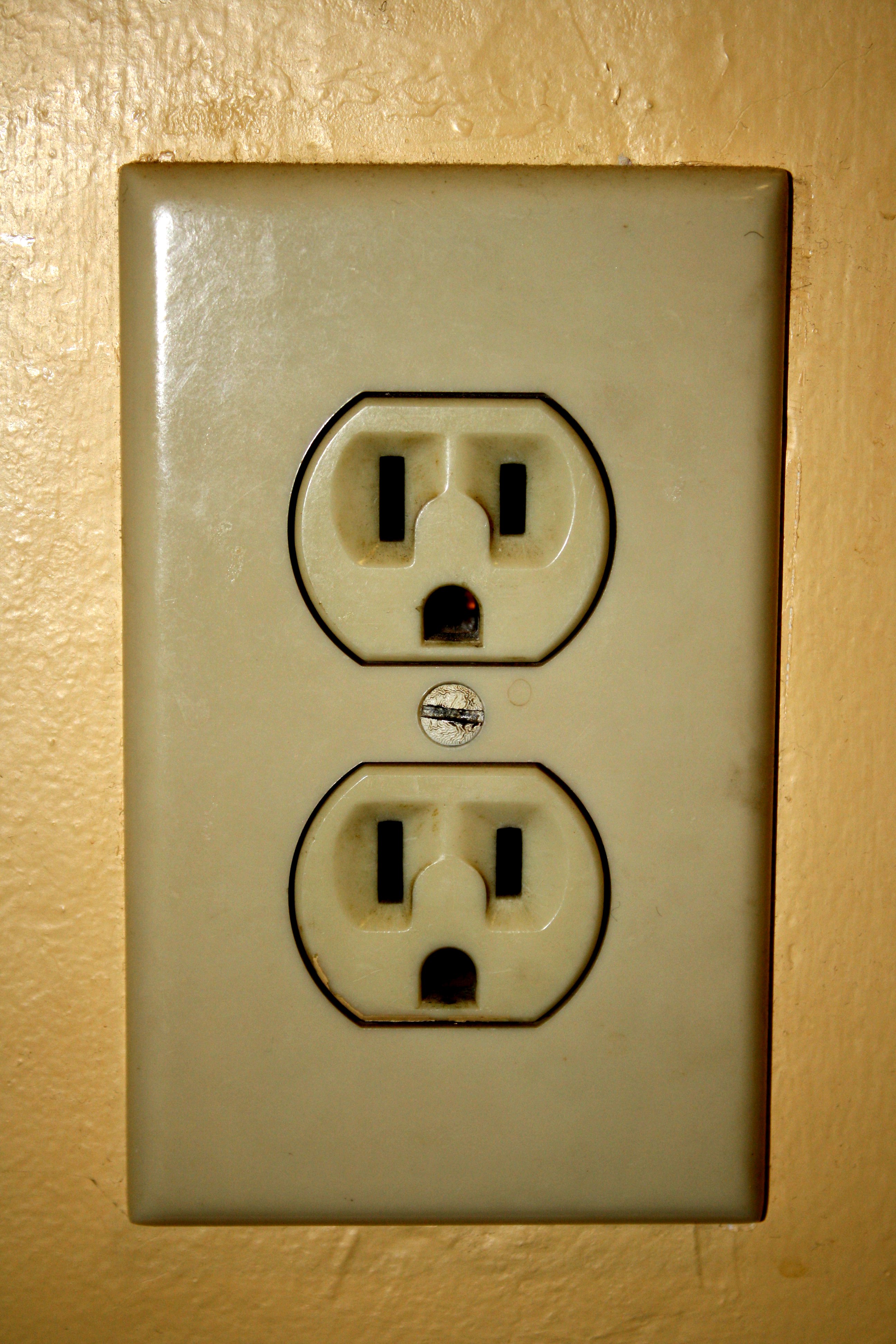
Heat is a clear sign that too much current is flowing.
3. Flickering or Dimming Lights
Lights that flicker or dim when appliances turn on may indicate:
This often happens when large appliances share circuits with lighting.
4. Buzzing Sounds or Burning Smells
Electrical systems should operate silently.
Be alert for:
These are urgent warning signs! Turn off power and contact a professional immediately.
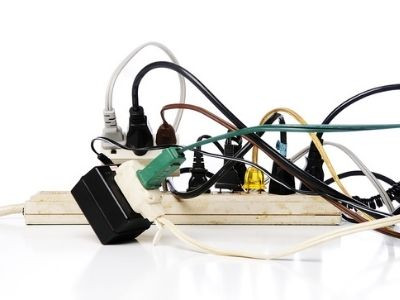
5. Power Strips Doing Too Much Work
Using multiple power strips or extension cords can overload outlets.
Common risky setups:
Power strips do not increase a circuit’s capacity.
6. Appliances Shutting Off Unexpectedly
Some appliances have built-in protection that shuts them down when power supply becomes unstable.
This may happen when:
7. Old or Outdated Wiring
Homes built decades ago weren’t designed for today’s electrical loads.
Common risk factors:
Older systems are far more prone to overload.
Why Electrical Overloads Are Dangerous
Ignoring overload symptoms can lead to:
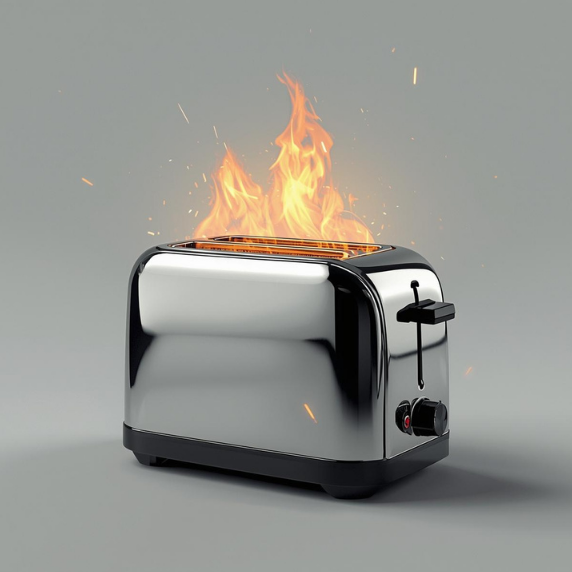
Many electrical fires start silently, long before visible damage appears.
What You Can Safely Check at Home
You can reduce risk by:
Do not open outlets, panels, or wiring unless qualified.
When to Call an Electrician
Call a licensed electrician if:
These may indicate that your home needs additional circuits or electrical upgrades.
Final Thoughts
Electrical overload is one of the most common, and preventable home electrical problems. Paying attention to early warning signs helps keep your appliances running safely and your home protected.
If your home’s electrical system feels like it’s struggling to keep up, it may be time to act before a small issue becomes a serious hazard.
2026-01-20
 Mastech CN
 Mastech TW